
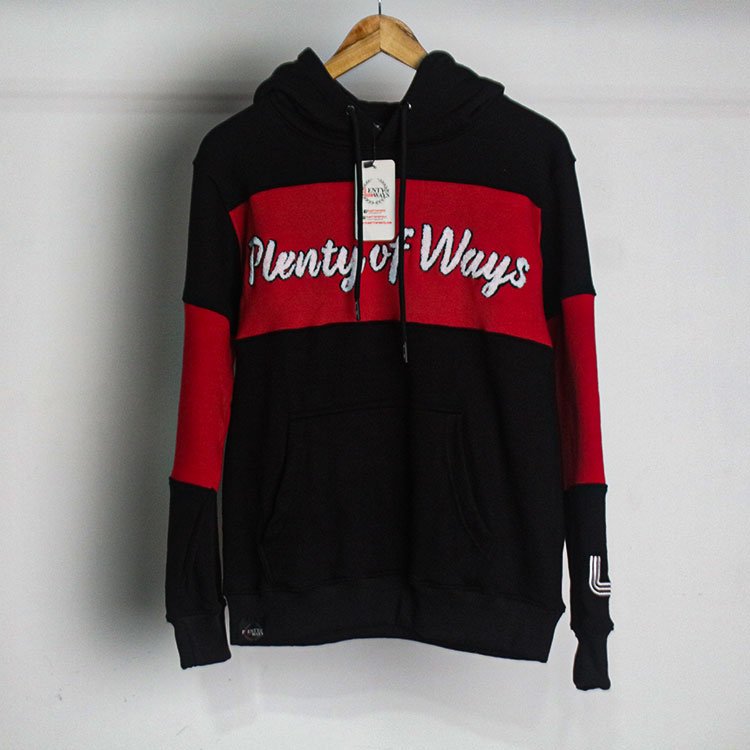
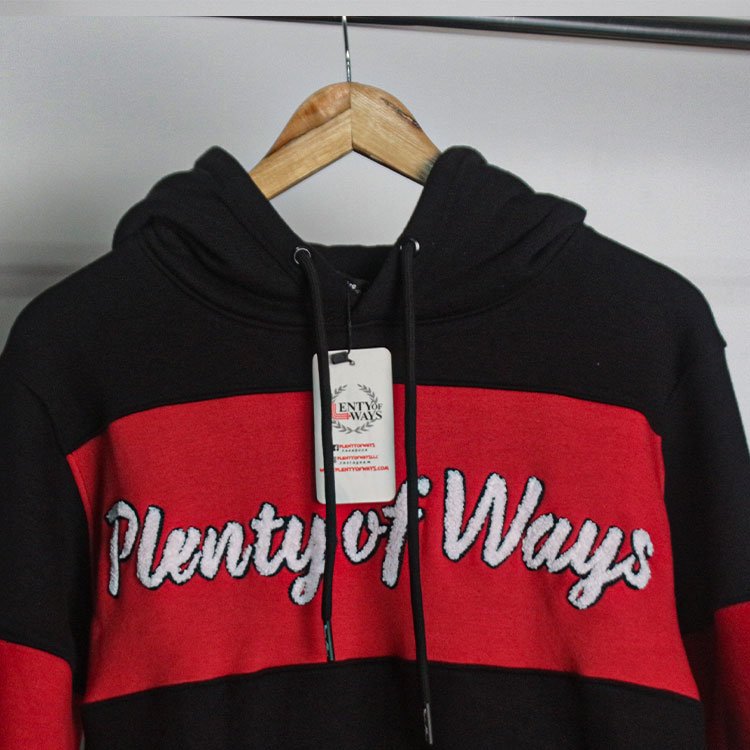
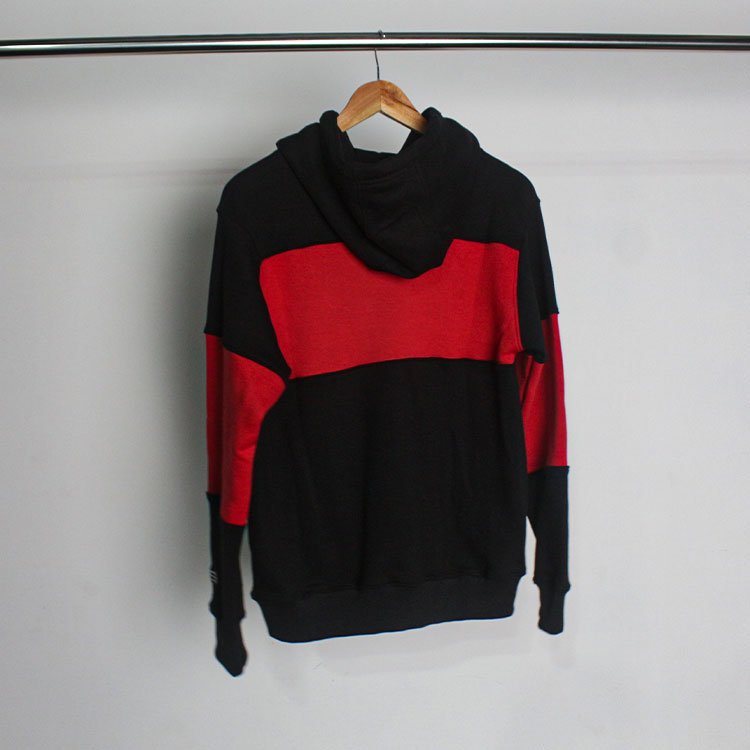
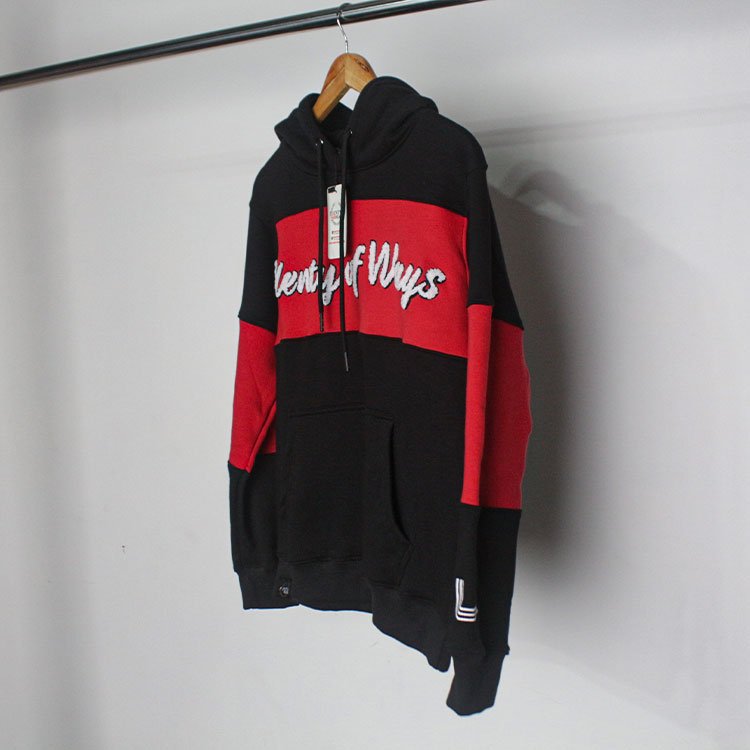
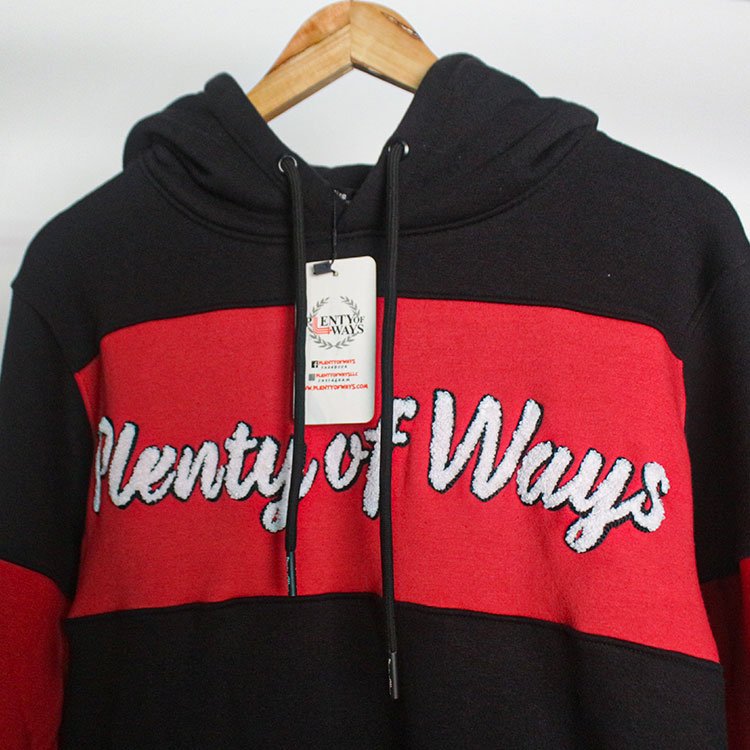
Embroidery Hoodie Manufacturer
Embroidery Hoodie Supplier
Cut and Sew Embroidery Hoodie
Low MOQ Embroidery Hoodie
Private label Embroidery Hoodie
Hoodie Manufacturing

Embroidered hoodie manufacturer

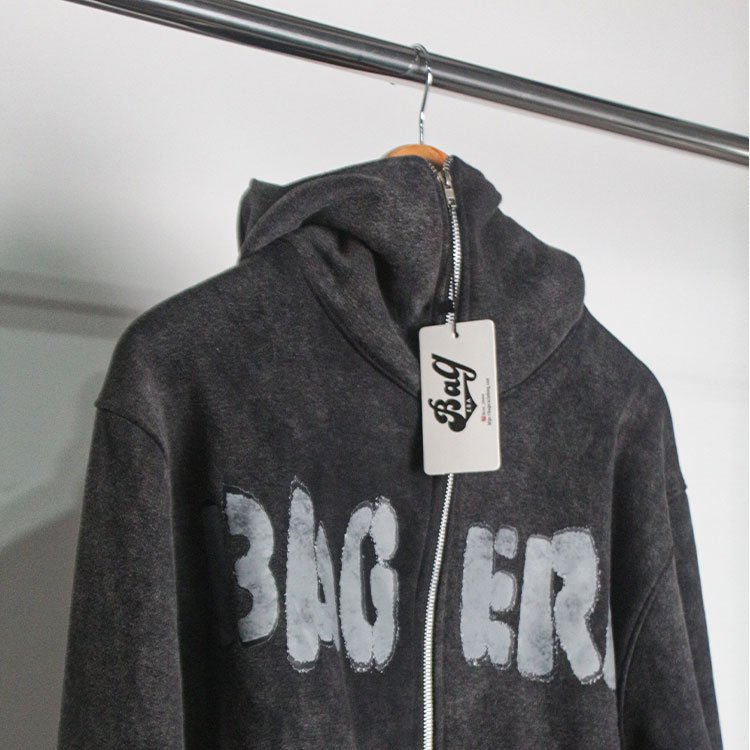
A premium pullover built around the flat stitch, 3D puff, and chenille embroidery, digitized in-house for crisp, durable branding that prints can’t match.

Decoration
In-house embroidery
Techniques
Flat, 3D puff, chenille
Fabric weight
400–500gsm fleece
MOQ
From 50 per colorway
Sampling
7–10 days
Get a quote Request a sample

Send your logo as a vector file or a high-resolution image. We digitize it ourselves and reply with a quote within 24 hours.

In-house

Digitizing and stitching under one roof in Sialkot

3 techniques

Flat, 3D puff and chenille, mixed on one hoodie

50 pieces

Minimum per style

7-10 days

To a stitched sample on your fleece
Built for brands

Who chooses embroidered hoodies

Embroidery costs more than printing. Brands choose it when the logo has to do more work. These are the three reasons we hear most.

You’re building a premium brand

A tonal chest logo says quality without shouting. Stitched branding raises what customers expect to pay, and it still looks sharp after a year of washing. It is how quiet-luxury labels carry their name.

Private label with Gibben

You’re dropping a statement piece

Varsity letters, raised puff logos, and chenille patches. Texture is the design. These hoodies get noticed across the street and in close-up shots, and that is what sells a limited drop.

See every hoodie style we make

Your logo has to last

Teams, clubs, venues, and merch lines that get worn hard. The thread does not crack, peel, or fade like a print can. Buy it once, and the branding holds for the life of the hoodie.

How low-MOQ production works

What Makes This Style Unique

What we can stitch

Embroidery quality is decided before the machine runs in the digitization. A poorly digitized file puckers, gaps, and distorts no matter the machine; ours are built in-house against your artwork and stitch-tested on your actual base fleece, not a stand-in.

Flat embroidery

Classic crisp stitch for logos and lettering, the durable, washproof standard that outlives any print.

3D puff

Raised foam-backed stitch with real dimension the varsity-grade chest and hood hit that photographs like hardware.

Chenille / felt

Varsity-style fuzzy patches and lettering, stitched or heat-applied, create the texture play that separates a premium drop.

Tonal & metallic

Tone-on-tone for the quiet-luxury read and metallic and gradient threads for statement pieces. Thread choice is a design decision, and we sample it.

In-house digitizing

We convert your artwork to a clean stitch file ourselves no third-party digitizer, no telephone-game quality loss, and revisions in-house within days.

High stitch count

Detailed, dense designs run without puckering because backing, underlay, and tension are set for the exact fleece you chose.

Side by side

Embroidery vs. print on a hoodie

Neither is better everywhere. Here is where each one wins, so you spend on stitching only where it pays back.

What matters Screen print or DTF Embroidery
Durability Can crack, peel or fade over many washes Thread holds its color and shape for the life of the hoodie
Feel Flat, part of the fabric surface Raised texture customers can feel with their fingers
Perceived value Reads as a printed garment Reads as a premium, finished garment
Fine detail and gradients Handles photo detail and smooth blends Best with bold shapes, clean lettering and solid colors
Large areas Big back graphics stay light and soft Large fills add weight, so chenille or puff often suits big pieces better
What drives the cost Number of colors, screens and print size Stitch count, which grows with size and density

A cheap stitch is worse than a print

Badly digitized embroidery does not just look a little off. The fleece puckers around the logo. Gaps open between the fill and the outline. Small letters sink into the pile and disappear. It happens on the first wash, and it happens on every piece in the run. That is why we digitize in-house and stitch-test on your actual fleece before bulk.

Digitizing

What happens to your logo before it’s stitched?

Digitizing turns your artwork into instructions a machine can sew: which stitch goes where, in what order, and how tight. These are the decisions our digitizer makes for every file.

Stitch type

Satin stitches for lettering and borders. Fill stitches for large areas. Running stitches for fine lines. The wrong choice is where most blurry logos come from.

Underlay

A hidden base layer sewn first. It holds the fleece flat and lifts the top stitches above the pile, so thin details stay visible.

Pull compensation

Thread pulls fabric inward as it sews. We widen shapes slightly in the file so the finished logo matches your artwork, not a squeezed version of it.

Density

Too loose, and the fleece shows through. Too tight and the design turns stiff and puckers. Density is set to your fleece weight.

Backing

A stabilizer behind the stitching that stops the knit stretching under the needle. It is trimmed clean inside so it doesn’t rub.

Stitch order

The sequence the machine follows. A good order means fewer jumps, fewer thread trims, and cleaner edges where colors meet.

Design rules that stitch well

Stitches cleanly

  • Bold shapes and clear outlines
  • Lettering with some thickness to each stroke
  • Solid colors, or a few clear color steps
  • Tonal thread on a matching fleece
  • Big, simple letters in chenille or puff

Needs a rethink

  • Very small text, which sinks into fleece pile
  • Hairline details thinner than a thread can hold
  • Photo images and smooth gradients
  • Huge, dense fills on a lightweight base
  • Tiny gaps between shapes that close up when stitched

Not sure about your artwork? Send it anyway. We flag anything that won’t stitch well on your quote and suggest a fix, such as enlarging text, simplifying a line, or moving a detailed piece to print.

Placements

Where it goes

Which technique suits each placement

Placement Works best with Why
Left chest Flat, tonal, 3D puff The classic logo spot. Small, clean, and seen in every photo
Center chest 3D puff, chenille, flat lettering The statement spot. Raised texture here catches light and attention
Full back Chenille, flat outline work, or print Big fills get heavy, so texture patches or open designs work best
Sleeve Flat A subtle second touch. Great for small wordmarks and dates
Hood Flat, 3D puff Seen from the side and back. A detail that feels considered
Cuff Flat, tonal A small mark customers notice later. Quiet brand recall
Pocket Flat An off-center logo that looks deliberate, not default

Every placement is measured from fixed points on the garment, like the high shoulder point and center front, so your logo sits in the same spot on every size.

Fabric Options

Base fleece

400gsm brushed

Stable base, great for stitching.

450gsm loopback

Heavier, premium feel.

500gsm heavyweight

Dense base for bold work.

Quality check

The hoodie is checked at each step.

Match the fleece to the stitch

Heavier fleece holds denser embroidery. Pick your base by how much stitching the design carries.

400 gsm brushed

Choose it for:
Flat and tonal logos, chest and sleeve hits.

Why it works:
A stable, even surface. Small lettering stays crisp.

Price position:
The most accessible embroidered base.

Premium sweet spot

450gsm loopback

Choose it for:
3D puff, mixed techniques, and denser designs.

Why it works:
Enough body to carry raised stitching without sagging.

Price position:
Premium, for your core embroidered line.

500 gsm heavyweight

Choose it for:
Large back pieces, chenille, and high stitch counts.

Why it works:
Dense fleece supports heavy work and hangs straight under it.

Price position:
Top tier. More fabric and more thread per piece.

Quality control

Where your embroidery gets checked

“Checked at each step” means six checkpoints from your artwork file to the finished carton.

01

Artwork review

Sizes, text, and fine lines checked for how they’ll stitch before digitizing starts.

02

Stitch file

Stitch types, underlay, density, and pull compensation are set for your fleece.

03

Test stitch-out

Run on your actual base fleece, not a stand-in, and adjust until it’s clean.

04

Sample approval

You approve thread colors, size, and placement on a finished hoodie.

05

Production run

Tension, registration, and thread breaks checked as pieces come off the machine.

06

Final inspection

Placement measured, loose threads trimmed, backing cleaned up inside, then packed.

Size & Fit

Regular fit (cm)

Size Chest (cm) Length (cm) Sleeve (cm)
S 56 68 62
M 59 70 63
L 62 72 64
XL 65 74 65

Fully customizable to your tech pack.

A logo that looks right on a size M chest of 59 cm can look small on an XL or crowded on an S. Tell us if you want one logo size across the run or a size scaled per garment size, and we’ll set it on your sample. More on measuring in our size guide.

Customization

Make it yours

Three branding stacks brands build on

Quiet luxury

The stack:
Tonal flat chest logo, tonal cuff mark, woven neck label, hangtag.

The read:
Expensive without saying so. Built for high price points.

Varsity drop

The stack:
Chenille chest letter, 3D puff sleeve hit, custom packaging.

The read:
Collegiate texture that looks limited and collectible.

Statement piece

The stack:
Metallic thread back piece, 3D puff hood hit, woven neck label.

The read:
A hero hoodie for launches, shoots, and window displays.

Embroidery is the part people touch

In a store, customers run a thumb over a stitched logo. Online, they zoom in on it. In try-on videos, the raised puff and chenille catch the light. Embroidery gives your customer something to show off, and every time they do, your brand gets seen by people who never visited your store.

Minimums

One stitch file, more colorways

Our MOQ is 50 pieces per style. Your logo is digitized once, then stitched in the thread colors each colorway needs.

50 pieces

One colorway. Prove the embroidered piece sells before you scale it.

100 pieces

Two colorways. Swap thread colors to match each fleece.

150 pieces

Three colorways. A fully embroidered capsule from one design.

Reorders run from the same stitch file, so your logo stitches the same way every time. Per-piece price improves as quantity rises. See MOQ and pricing.

Process

How your embroidered hoodie order runs

Six steps from artwork to finished cartons. You approve a stitched sample before bulk begins.

01

Send your artwork

A vector file is ideal. A high-resolution image works too. Add thread colors if you have them. What goes in a tech pack

02

Get your quote

Within 24 hours, with a fleece recommendation and notes on anything that won’t stitch well.

03

Digitize and test

Your stitch file is built in-house and test-stitched on your fleece. Revisions happen within days.

04

Approve your sample

In 7–10 days. Check thread colors, size, placement, and feel. How sampling works

05

Bulk production

Hoodies cut, sewn, and embroidered to your approved sample in 18-30 days.

06

Final check and ship

Placement measured, threads trimmed, tagged, and packed to your spec.

FAQ: Embroidery Hoodies

Style questions

A vector file (AI, EPS, PDF, or SVG) is best. A high-resolution PNG or JPG also works. Tell us the size and placement you want and any thread colors. If your artwork has fine detail, we’ll flag it and suggest changes before we digitize.

We run high stitch counts on the right fleece because the backing, underlay, and tension are set for your base. Very large, dense designs add weight and cost, so for full-back pieces we may suggest chenille, an open design, or a heavier fleece. You’ll see our recommendation on your quote.

Yes. A common setup is an embroidered chest logo with a printed back graphic. Both are approved together on your sample.

Digitizing is done in-house, and any cost is shown clearly on your quote. Revisions are turned around within days. The test stitch-out is part of your 7-10-day sampling window.

Send your Pantone references or a physical swatch. We match to the closest thread, and you approve the colors on the stitched sample before bulk production.

Puckering is prevented in the file and on the machine. We set the backing, underlay, density, and tension for the exact fleece you chose, then stitch-test on that fleece before your sample is made.

Yes. Embroidery is the most wash-durable decoration we offer. The thread does not crack or peel like a print can. Washing inside out on a cool cycle keeps the fleece around it looking new for longer.

We trim the backing clean inside the hoodie after stitching, so there are no rough edges against the skin. If you want an even softer finish on chest pieces, ask about it on your quote.

Our embroidered base starts at 400 gsm because lighter fleece can pucker under dense stitching. A small flat logo can work on lighter fabric. Tell us your design and we’ll say honestly whether it will hold.

Choose embroidery for logos, lettering, and pieces that need to look premium and last. Choose print for large, detailed, or full-color graphics. Many brands use both on one hoodie. Our decoration comparison covers each method.

Browse Styles

09 hoodie styles we manufacture

Each links to a dedicated page with style-specific construction, fabric, and fit details.

Pullover Hoodies
Acid Wash Hoodie
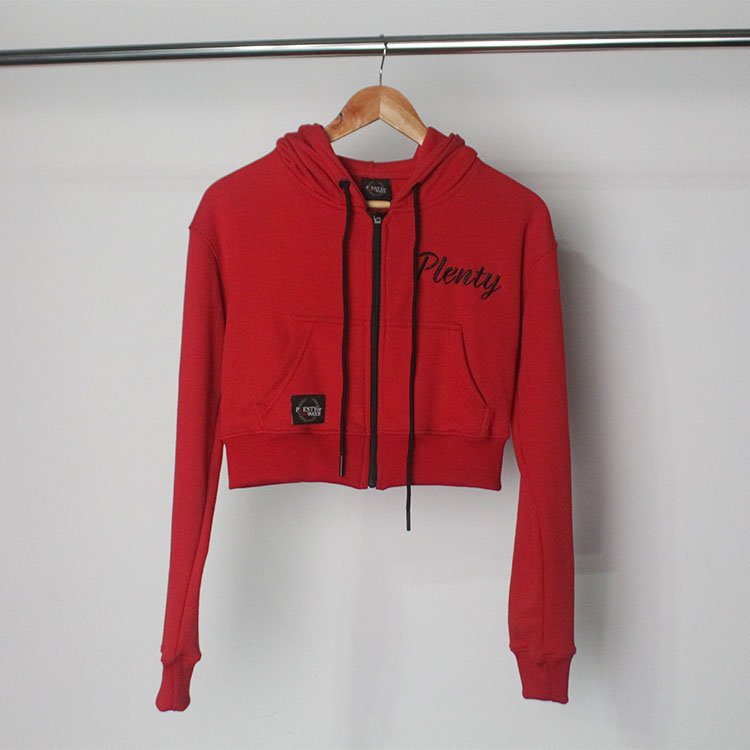
Crop Hoodie
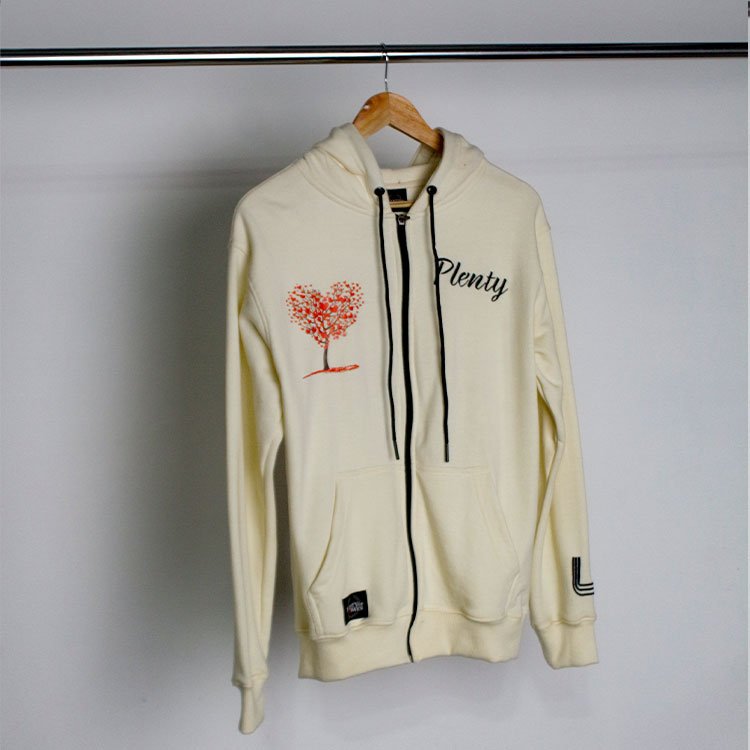
Full Zip Hoodie
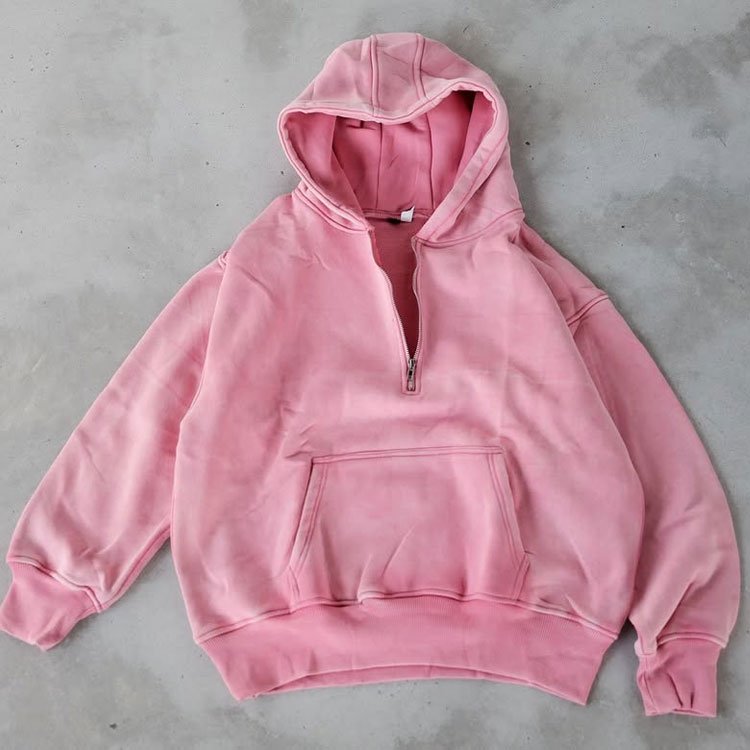
Half Zip Hoodies
Heavyweight Hoodie
Color Block Hoodies
Sleevesless Hoodies

Ready when you are

What to send for a fast, accurate quote

Embroidery is priced on stitch count, so size and placement matter most. Missing some of this? Send what you have and we’ll work it out with you.

  • Your logo as a vector file or a high-resolution image
  • The width you want for each logo, in cm or inches
  • Placement for each logo: chest, back, sleeve, hood, cuff or pocket
  • Technique: flat, 3D puff, chenille, tonal or metallic
  • Thread colors as Pantone references, or ask us to suggest
  • Fleece weight: 400, 450 or 500gsm
  • Quantity per colorway, and your size split
  • The date you need stock in hand