
Two hoodies can sit side by side, look almost identical on a hanger, and feel like they came from different planets the moment you put them on.
The difference is rarely the print. It’s the fabric.
Fabric is where most streetwear brands quietly win or lose.
It decides how a piece drapes, how warm it is, how it ages after twenty washes, and more than anything, whether a customer believes your price tag the second they touch it.
The problem is that fabric is confusing on purpose.
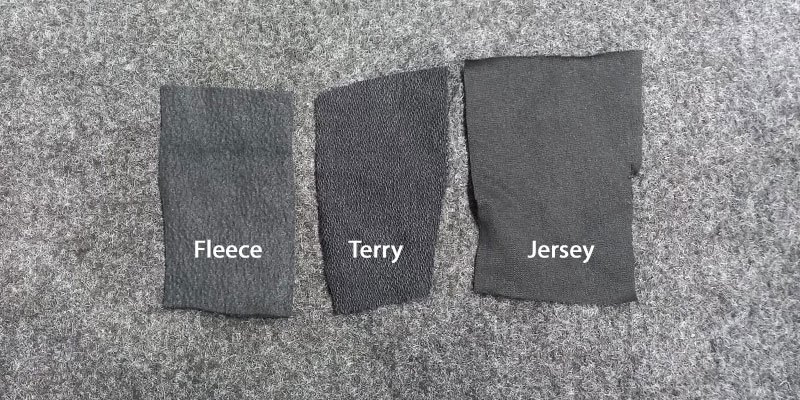
The same base cloth gets sold under a dozen names. “Fleece,” “French terry,” “loopback,” and “sweat” are thrown around as if they’re interchangeable, and they aren’t.
GSM numbers get quoted with no context.
A mill sends a swatch that feels great and a bulk run that feels like a moving blanket.
This guide fixes that.
It gives you one repeatable way to read any streetwear fabric and then walks through the fabrics, what they are, how they behave, and when to reach for each.
By the end, you’ll be able to write a fabric spec a factory can’t fudge.