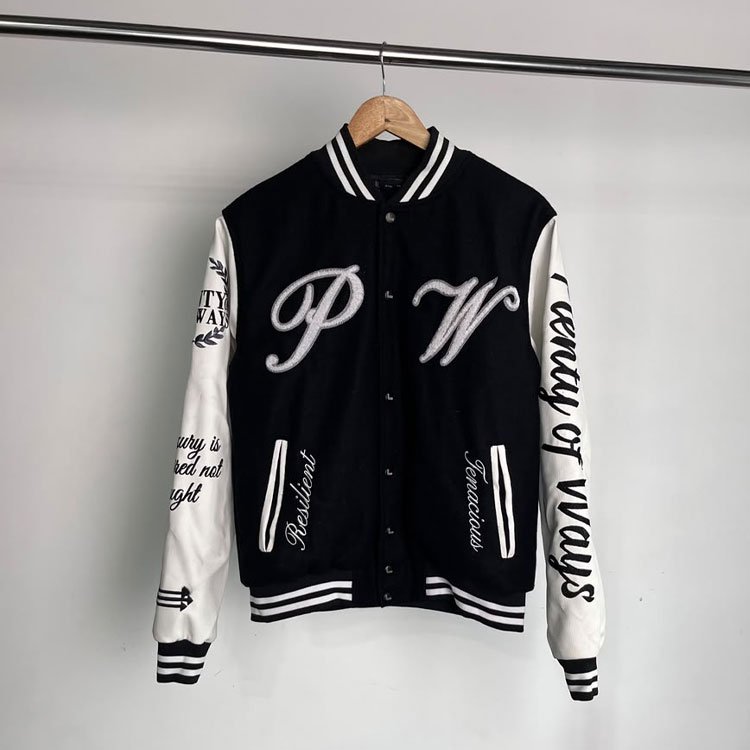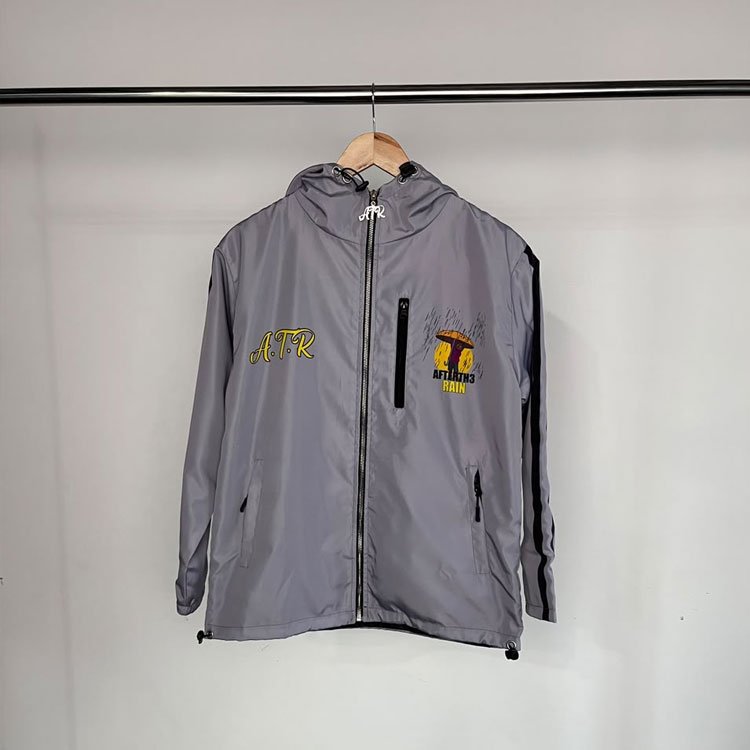

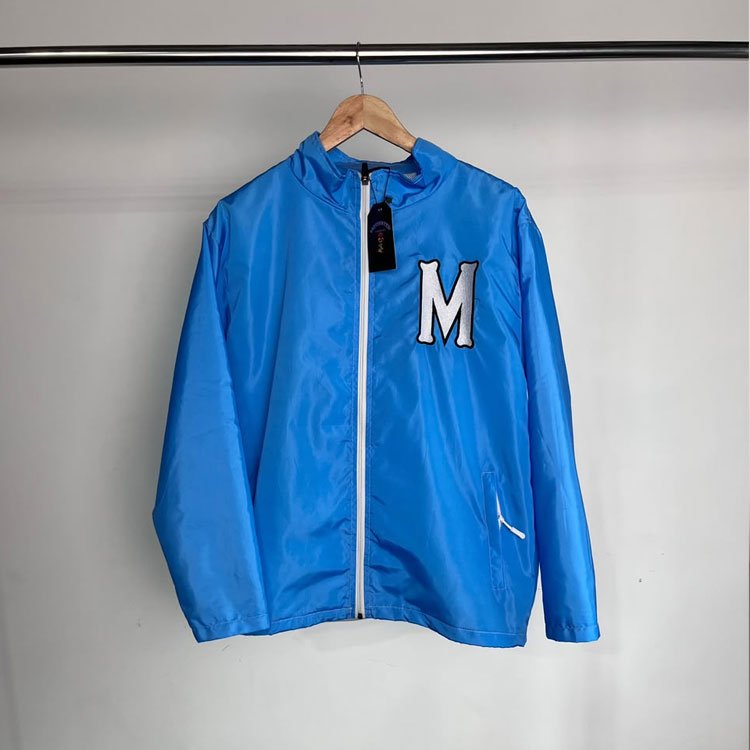
Windbreaker Jacket Manufacturer
Windbreaker Jacket Supplier
Cut and Sew Windbreaker Jacket
Low MOQ Windbreaker Jacket
Private Label Windbreaker Jacket
Technical Shell · B2B Production Brief

Windbreaker and Nylon Shell Manufacturer

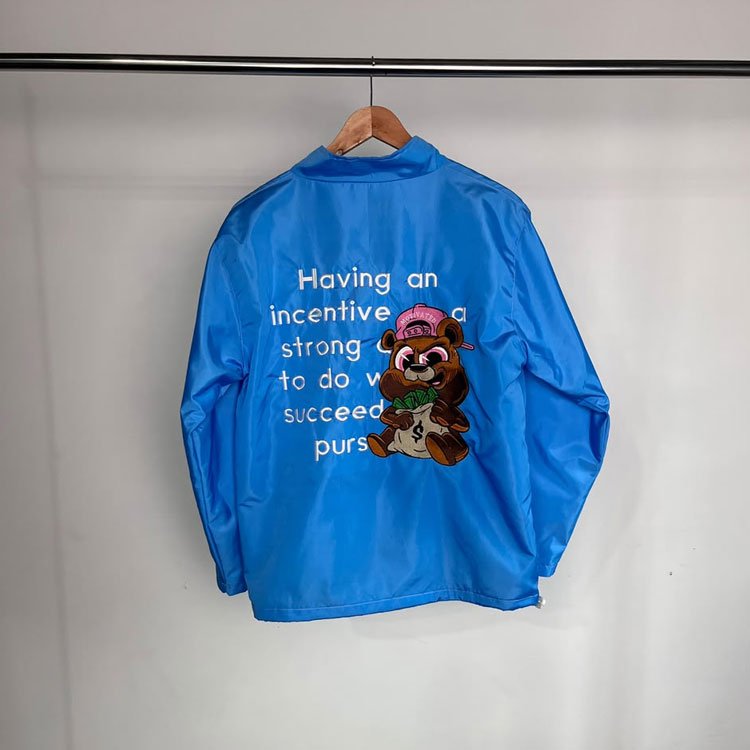
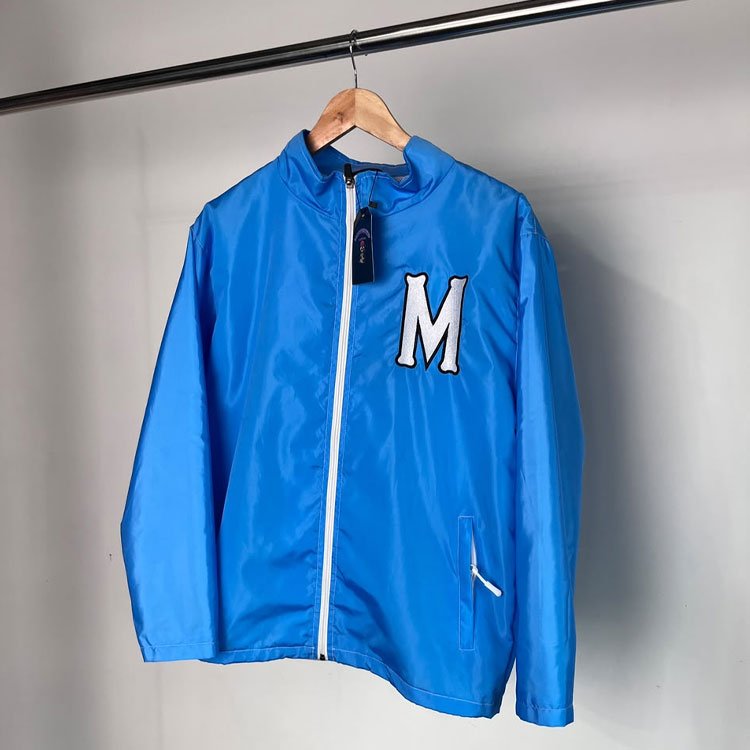
The most packable, most commercially flexible jackets in the range from a color-blocked sporty windbreaker to a pared-down unlined technical shell. Wind- and water-resistant, with weatherproofing you can dial up to taped-seam level.

From 50 pieces per style
Builds Windbreaker / nylon shell
Shell Nylon / ripstop / crinkle
Weather DWR to taped seams
Sampling 7–10 days
Bulk 5–7 weeks
Get a quote Request a sample

Tell us sporty or minimal, send your panel colors, and say how weatherproof it needs to be. We quote within 24 hours.

Fist-size pack

Folds into its own pocket or pouch

Year-round

Spring and summer seller, winter layer

DWR to tape

Weatherproofing dialed to your market

Honest claims

We keep your product copy accurate
Positioning

A year-round seller that crosses sport and street

The technical shell is one of the most commercially flexible jackets a brand can carry: light enough to sell through spring and summer, layerable under heavier outerwear in winter, and equally at home on a trail, a track, or a city street. Because it’s built from technical fabric into minimal bulk, it’s also the most packable jacket we make, a real advantage for e-commerce, where carton efficiency is money. We build it in two registers so you can lean sporty or minimal.

Built for brands

Who we make windbreakers and shells for

Two registers, three kinds of brands. Here’s who leans which way.

Sport-street and retro brands

Bold color-blocked windbreakers and matching suits. The sportier seller, where styling and color lead.

Windbreaker pants to match

Minimal and technical labels

The pared-down nylon shell: unlined, anorak or full-zip, weatherproofed with taped seams. The technical hero.

All jackets we make

E-commerce-first brands

A jacket that folds to the size of a fist ships in small parcels and packs efficiently in cartons, so it sells all year without eating into your margin.

Private label with Gibben

The two builds

Windbreaker vs. nylon shell explained

Both start from the same woven nylon. Where they diverge is styling, lining, and how far you can push the weatherproofing.

Build Styling & lining Weatherproof ceiling Best for
Windbreaker Sportier, color-blocked panels, mesh/taffeta lining or unlined, ventilation options DWR (taped seams optional) Sport-street crossover, bold retro blocks, matching suits
Nylon shell Pared-down, unlined, minimal anorak or full-zip; packs the smallest DWR up to taped-seam shower-ready Technical-minimal register; the more waterproof-capable piece


Same shell, different job. Reach for the windbreaker when styling and color lead; reach for the nylon shell when weather-ability and minimalism lead. Many brands carry both the sporty seller and the technical hero from one fabric program.

Construction & build

How the shell is engineered

Shell & panels

Lightweight woven nylon or ripstop, splittable into colour panels; seams place naturally at the panel breaks, so styling and structure line up.

Hood

Fixed, detachable (zip/snap), or packable into the collar; adjustable drawcords standard.

Hem & cuffs

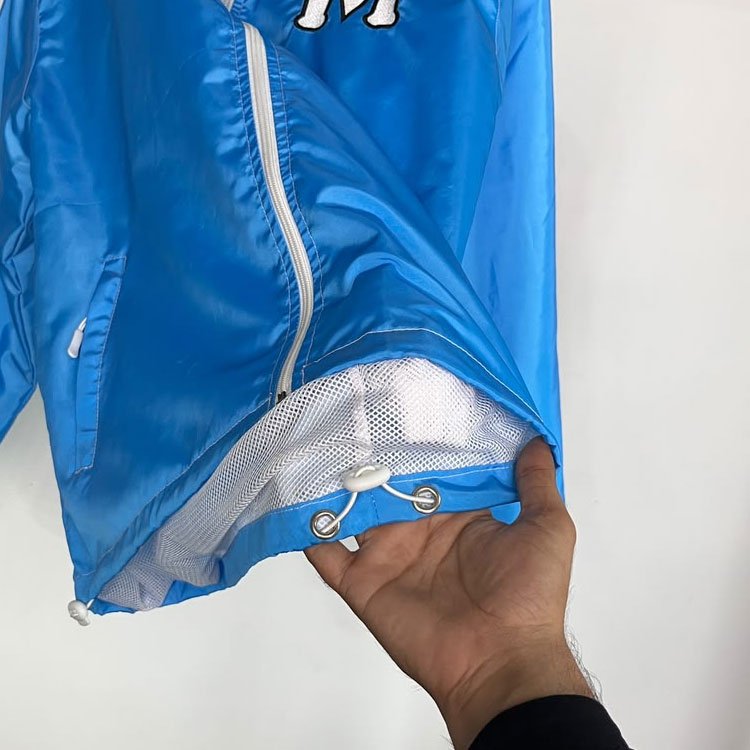
Elasticated or drawcord hem; elastic or hook-and-loop cuffs seal out wind the difference between performing and just looking the part.

Ventilation

Mesh-backed vents or underarm eyelets on sport-oriented styles so the jacket breathes during activity.

Designing your color blocks

On a windbreaker, the color blocks are the design. Because seams sit at the panel breaks, every color change is also a construction decision.

Approach The look What it means for the build
One color Clean and minimal The fewest panels. Suits the nylon shell
Two colors A single bold block across the chest or shoulders A simple split at an existing seam
Three or four colors The classic retro windbreaker More panels to cut, match, and sew, so more cost per unit
Matching suit Jacket and pants in the same blocks Panels planned across both pieces from one fabric program
Fabric & weather

Choosing the shell and how weatherproof you really need it

Standard nylon. Crisp, light, the classic swish.

Crinkle nylon. Texture and a matte retro read; hides wear well.

Ripstop. Grid-reinforced durability at minimal weight.

Recycled (rPET). Same performance, lower-impact story

Resistant vs waterproof, said plainly. Wind resistance comes from the tight weave. Water resistance is a spectrum bare shell sheds drizzle, DWR handles light rain, taped seams reach shower-ready. True waterproofing needs a membrane and sealed construction: a different, costlier product. We’ll keep your product copy honest.

The weatherproofing ladder

Your note above, as steps. Climb only as far as your customer actually needs, because each step adds cost.

Step Handles Available on
1. Base shell Wind and drizzle Windbreaker and nylon shell
2. + DWR finish Light rain Windbreaker and nylon shell
3. + Taped seams Shower-ready Nylon shell, optional on the windbreaker
Membrane + sealed construction True waterproof A different, costlier product

Side by side

An engineered shell vs. a thin jacket that looks the part

Your build section says the cuffs are “the difference between performing and just looking the part. “Here’s the rest of that difference.

Detail Cheap shell Gibben shell
Color blocks Panels cut wherever looks good Seams at the panel breaks, so styling and structure line up
Cuffs and hem Loose, so wind gets in Elastic, hook-and-loop or drawcord, sealing out wind
Ventilation None, so it gets clammy on the move Mesh-backed vents or underarm eyelets on sport styles
Hood Fixed, whatever the use Fixed, detachable or packable into the collar
Packability Bulky to carry and to ship Folds into its own pocket or pouch
Weather claims “Waterproof” on the tag An honest claim matched to the build
Care Softener that clogs the DWR DWR care guidance printed on your label

A shell is judged in the first gust

Your customer finds out on the first windy day. If the cuffs flap, the hem lifts, and the rain soaks through a “waterproof” tag, the jacket feels cheap no matter how good the color blocks look. Build it to perform and describe it honestly, and it becomes the jacket they reach for all year.

Packability

Folds into its own pocket

A defining feature: the jacket folds into its own pocket or an attached stuff pouch, compressing to roughly the size of a fist. It makes the piece easy to carry and easy to merchandise, and gives you a small clip-or-carabiner loop to brand built in at minimal added cost. 

A jacket that clips to a bag goes everywhere

Packed down, the shell rides on backpacks, gym bags, and festival belts, with your branded loop on show. It gets carried on days it isn’t worn, which means your brand gets seen on days the jacket stays packed.

Decoration & branding

Branding a technical shell

Heat-transfer / DTF

Full-color logos that bond to nylon without piercing the shell are the default on technical fabric.

Embroidery

Backed chest hits; kept clear of the quilted fill zones so nothing puckers.

Reflective trim

Function and a tech-sport look in one.

Hardware

Branded YKK pulls and snaps small surfaces, outsized perceived value.

MOQ & Pricing

What you’ll order

Quantity / style Indicative unit price
100–198 Base
200–598 −1%
600–998 −2%
1,000–1,998 −3%
2,000+ −4%

Exact pricing is issued on the quote against your fabric, decoration, and Incoterm. 

What moves a shell’s price

Weatherproofing
DWR, taped seams
Color blocks
panels to cut and sew
Lining
unlined, mesh, taffeta
Hood and vents
packable hood, vents
Shell fabric
nylon, ripstop, crinkle, rPET
Decoration
DTF, reflective, pulls

Planning your range

One fabric program, three ways to sell it

Your two-builds callout says that many brands carry both from one fabric program. Add the pants, and it becomes a suit.

The windbreaker

The sportier seller. Color blocks and styling lead.

The nylon shell

The technical hero. Minimal, packable, and weatherproofed up to taped seams.

The matching suit

Windbreakers and pants in the same blocks, sold as one outfit at a higher price.

How to start

What to send us

The fastest quotes come from the clearest brief, but you don’t need a finished tech pack to start. Any of these gets us moving:

01

A reference or your own design:

A product photo, a sketch, a competitor link, or a full tech pack whatever you have. We fill the gaps and confirm them with you.

02

Your artwork:

Logos and graphics as vector files where possible, with Pantone references for exact color matching on trim cards.

03

Quantities & target price:

Rough per-color-weather volume and the landed price you’re aiming for, so we quote to your real economics, not a guess.

04

Your market & season:

Where it sells and when this drives fabric weight, lining, and the honest weatherproofing claim on your page.
Sampling, lead time & QC

From your tech pack to a run you can trust

Sampling

Tech pack or reference → fit sample → fill and quilting sign-off → pre-production (14–21 days). Fill and quilting land in the first sample.

Lead time

Bulk: 5-7 weeks after approval, plus shipping 5-12 days air.

Quality control

Each jacket is individually checked before packing.

Compliance

Cerfied and registered company.

Count back from spring

Shells sell all year, but spring is the peak. Using the sampling and bulk times in your spec card, with one sample round.

Stage By air By sea
Sampling 7-10 days 7-10 days
Bulk 5-7 weeks 5-7 weeks
Shipping 5-12 days 25-40 days
Stock in hand About 7-10 weeks About 10-14 weeks
What’s included

What every run includes

Tech-pack review or build-out. Send a tech pack or just a reference photo we spec the missing lines and confirm them with you before sampling.

Physical sampling. A real-fit sample in your fabric and color, plus a decoration strike-off, before a single bulk unit is cut.

Custom grading. Your size chart, or our house block graded to your reference not a fixed-size set you have to accept.

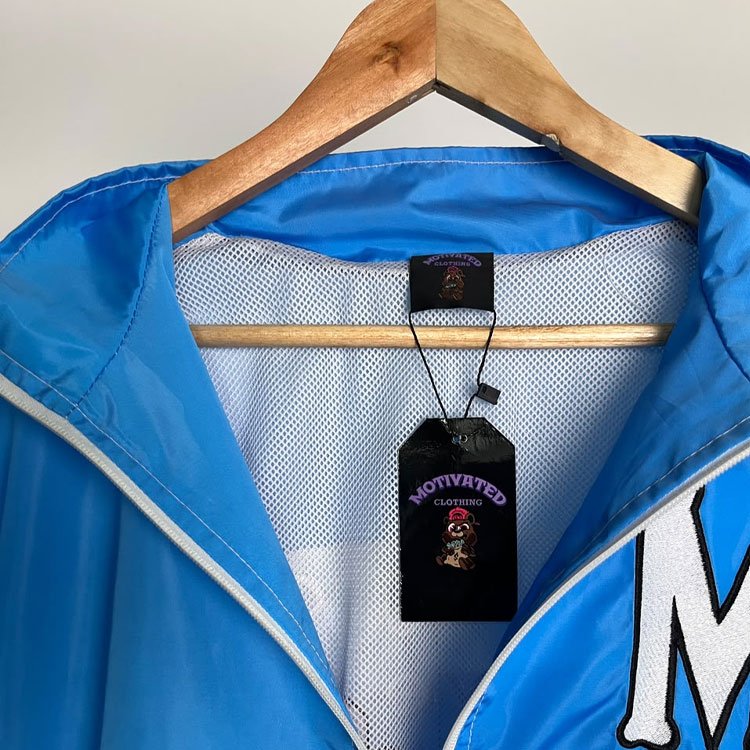
Branded labeling & packing. Woven or printed neck labels, care labels, hang tags, and polybag/box packing to your spec.

Checking. Every run is inspected against your approved sample before it ships, not spot-checked after the fact.

One point of contact. A solo operator who owns your order end to end, replies within 24 hours, and keeps your designs confidential.

Sizing & grading

Size chart and custom grading

Size Chest Length Sleeve
S 114 70–71 63
M 120 72–73 64
L 126 74–75 65
XL 132 76–77 66
Relaxed block with layering ease; the unlined nylon shell grades marginally leaner. Anorak or full-zip pattern, fully custom graded to your reference.
Care

Careful guidance you can lift onto your listing

Cold wash, no fabric softener (it clogs DWR), low-heat tumble to reactivate the repellent finish; reproof as needed. Care labels printed to your branding accurate DWR care noticeably extends the water resistance your customer paid for.

Why GIBBEN CLOTHING

Why build this run in Sialkot?

Gibben Clothing is a cut-and-sew manufacturer based in Sialkot, Pakistan, one of the world’s densest apparel and leather-goods manufacturing clusters, the same ecosystem that supplies a large share of the world’s sportswear, gloves, and hand-stitched footballs. A puffer lives or dies on downproofing and even fill, both of which we verify by hand on the actual shell fabric before your run ships.

On-the-floor QC. We inspect the fabric, the sample, and the run in person not over a portal. If something is off spec, it is caught here, before it ships to you.

Short sourcing loops. Fabric, trims, hardware, and decoration sit within a short radius, which is why sampling moves in days rather than weeks.

Honest by default. We spec how the garment is actually worn, and we won’t let your product page overclaim the reputation on the rack is yours, and we protect it.

Confidential. Your designs, tech packs, and artwork stay yours. NDA on request before you send anything sensitive.

FAQ: Technical Shell

Buyer questions, answered

Both start from the same woven nylon. The windbreaker is sportier, with color-blocked panels, mesh or taffeta lining (or unlined), and ventilation options, weatherproofed with DWR and optional taped seams. The nylon shell is pared down and unlined, as a minimal anorak or full-zip pack, packs the smallest and can go up to taped-seam, shower-ready construction.

Water-resistant. The base shell sheds drizzle, a DWR finish handles light rain, and taped seams make it shower-ready. True waterproofing needs a membrane and sealed construction, which is a different, costlier product, and we’ll keep your product copy honest about it.

Yes. It folds into its own pocket or an attached stuff pouch, compressing to roughly the size of a fist, with a small clip or carabiner loop you can brand.

If you’re selling the jacket for rain, yes: taped seams make it to shower-ready. If it’s a sport-street windbreaker worn in the city, a DWR finish is usually enough and keeps the price lower.

The pattern can split into as many panels as your design needs, with seams at each panel break. Two to four colors is the classic retro range. Each extra panel adds cutting and sewing, so it adds a little to the unit cost.

Yes. See our windbreaker pants. Made from the same fabric, pattern, and color blocks, the jacket and pants are sold as a matching suit.

Fixed, detachable by zip or snap, or packable into the collar, with adjustable drawcords as standard.

Both patterns are available. The anorak is the minimal, pullover option. The full zip is easier to wear open and layer.

Yes. Mesh-backed vents or underarm eyelets keep sport-oriented styles breathable during activity.

Yes. Recycled (rPET) shells give the same performance with a lower-impact story.