B2B Manufacturing
Windbreaker Pant Manufacturer
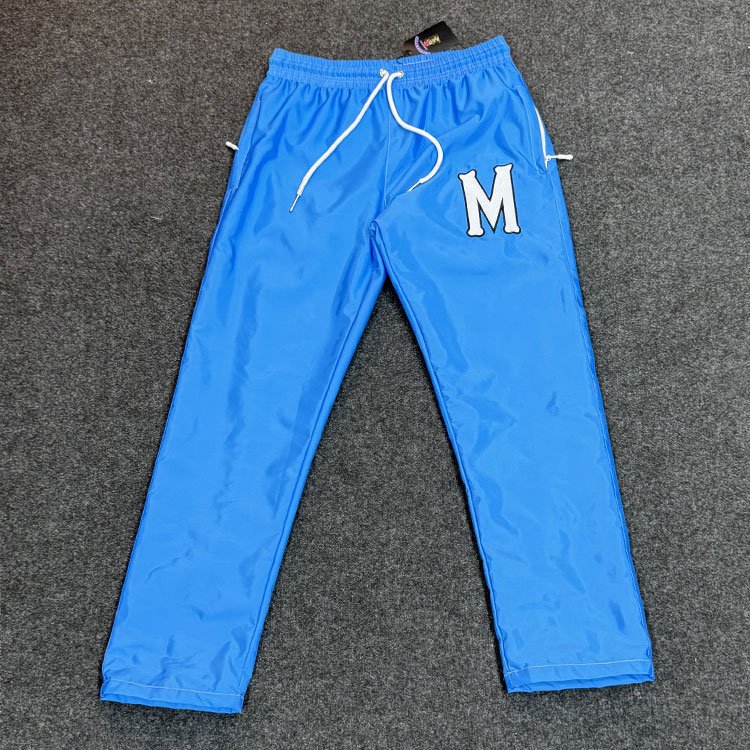
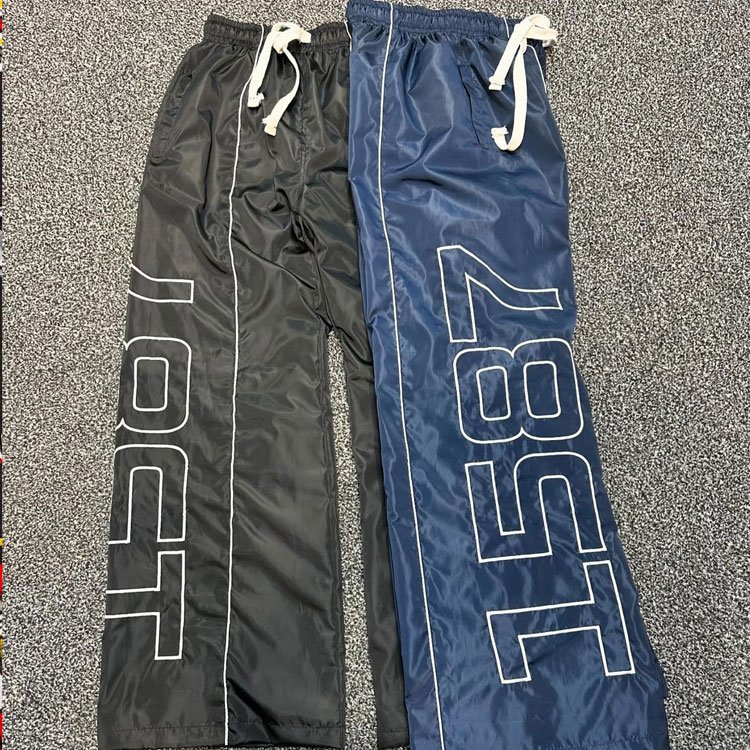
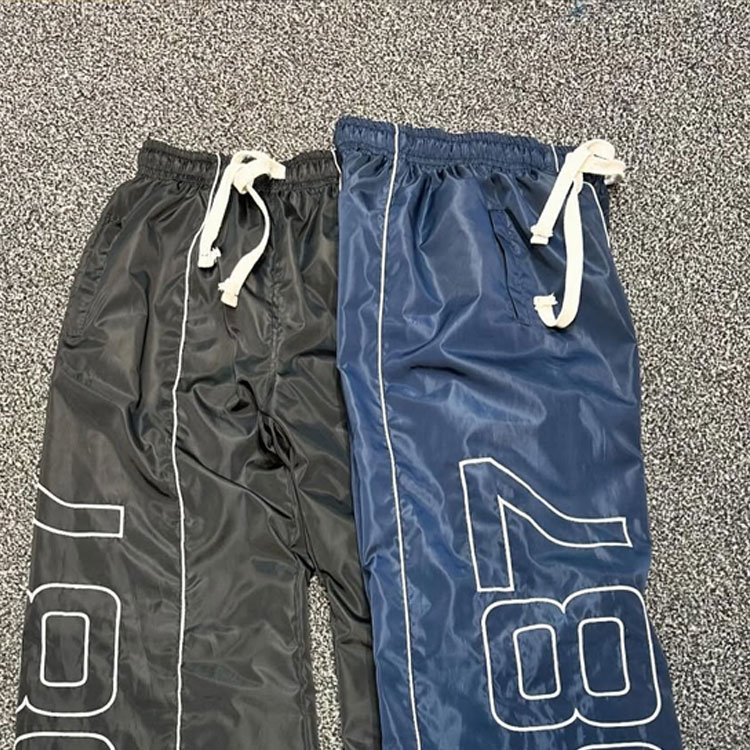
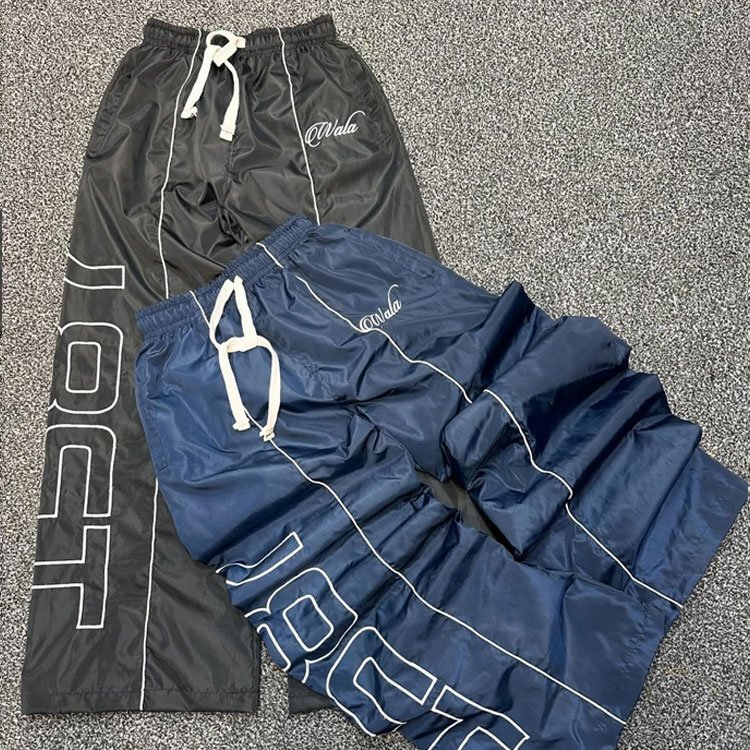
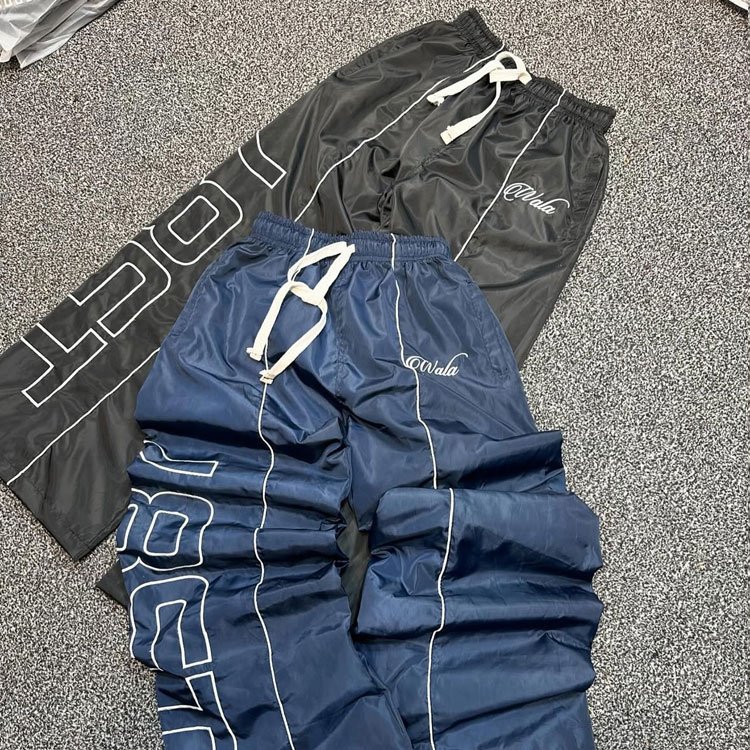
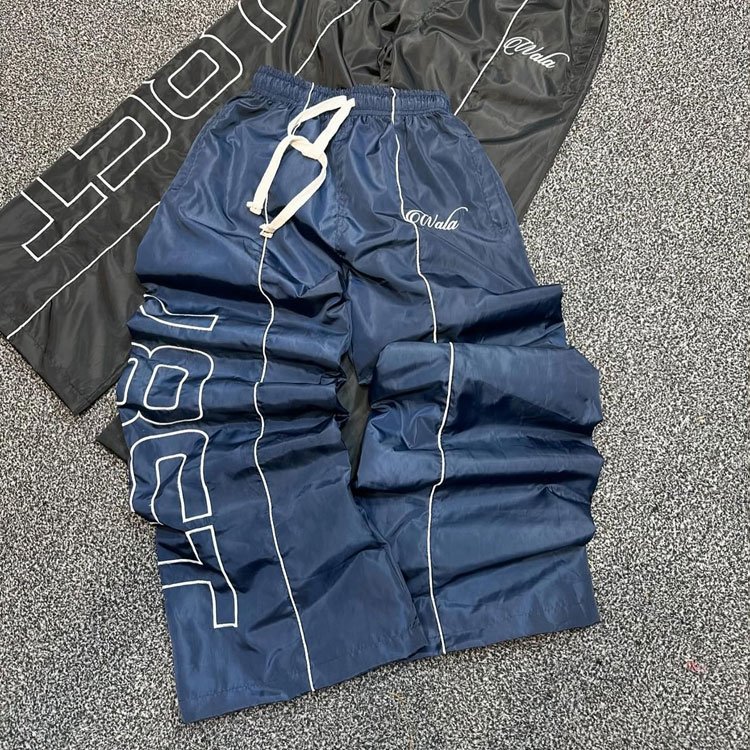
Lightweight, wind- and water-resistant shell pants with a smooth lining and adjustable hems the technical layer that packs down and shrugs off the weather.


Lightweight, wind- and water-resistant shell pants with a smooth lining and adjustable hems the technical layer that packs down and shrugs off the weather.
Nylon / ripstop.
DWR water-repellent.
Mesh or taffeta.
Zip / toggle adjust.
A windbreaker pant is the most “technical” bottom most brands will make, and the spec decisions are real engineering, not styling. Lining (mesh vs. taffeta vs. unlined), seam sealing (taped vs. plain), and DWR grade all change how the pant performs and what it costs.
Get the shell and lining pairing right, and it packs down, breathes, and sheds weather; get it wrong, and it clings or clams up. This is a build where cutting the wrong corner is felt by the wearer immediately.
This blueprint covers the build sheet, shell and lining choices, what taped seams and DWR actually add, private label on nylon, sampling, cost drivers, MOQ and compliance, sizing, and buyer questions.
Buyer tip: decide on lining and seam sealing together. A taffeta lining with taped seams is a genuinely weather-ready pant; unlined with plain seams is a fashion shell. Price and performance both follow that choice.
A performance layer: every line here is a comfort or weather decision.
The shell (nylon or ripstop) blocks wind and, with a DWR finish, sheds light rain; the lining is what makes it wearable. Mesh lining breathes and suits active use; taffeta lining is smoother, warmer, and reads more premium. Unlined shells are the lightest and most packable but sit directly on skin. Recycled nylon shells are available. The magic is matching a breathable-enough lining to a weather-resistant-enough shell for your use case.
Nylon shells take heat-transfer and reflective branding cleanly; embroidery must be backed to avoid puckering and can compromise water resistance, so it’s best kept off the shell face. Brand the hem, the thigh, and the zip pulls; add reflective piping for a technical, high-visibility edge. Branded zip pulls and a woven interior label finish the private-label package.
Nylon shells sample a little longer; the shell, lining, and DWR all need physical approval, and any taped seams add a step.
Send your tech pack, sketch, or a reference pair you like; if there’s no tech pack, we reverse-engineer the pattern from the sample.
We will quote within 24 hours based on your fabric weight, decoration, and target Incoterm and then confirm the spec in writing.
The proto sample was cut and shipped (7–10 days), so you can check the block, rise, and proportion on a real body rather than a flat drawing.
Fit + fabric sign-off: we grade the full size run to your measurement chart and match lab-dips to your Pantone colors.
Pre-production (PP) sample locks every seam, trim, and label; nothing enters bulk until you approve it.
Bulk cut, sewn, and finished (4–6 weeks), then AQL 2.5 inspected before folding, polybagging, and cartoning.
Ship FOB or DDP with your main labels, care labels, hangtags, and packaging already on the garment.
Lining and seam sealing move a windbreaker’s cost far more than the shell fabric.
MOQ is from 50 pieces per colorway per silhouette. Ordering multiple silhouettes in one dye lot can share setup costs, and we’ll structure the quote around it.
| Quantity / style | Indicative unit price |
|---|---|
| 100–198 | Base |
| 200–598 | −1% |
| 600–998 | −2% |
| 1,000–1,998 | −3% |
| 2,000+ | −4% |
Exact pricing is issued on the quote against your fabric, decoration, and Incoterm.
| Size | Waist | Hip | Inseam |
|---|---|---|---|
| S | 74 | 106 | 76 |
| M | 80 | 112 | 78 |
| L | 86 | 118 | 80 |
| XL | 92 | 124 | 82 |
Cut with ease for layering over other bottoms. Adjustable hems fine-tune the leg opening. Waist relaxed; graded to your tech pack.
A windbreaker either performs or it doesn’t, and the buyer finds out in the first shower. We pair shell and lining deliberately, approve DWR and seam sealing on a physical sample, and use YKK zips so the technical claims on your hangtag are actually true.
Water-resistant. A DWR-finished shell sheds light rain and wind; true waterproofing needs a coating/membrane and taped seams, which we can spec at a higher cost. Be accurate on your hangtag overclaiming waterproofing is a returns and trust problem.
Mesh breathes and suits active wear; taffeta is smoother, warmer and reads more premium. Unlined is lightest and most packable. Match the lining to how the pant will be worn.
They seal the needle holes at the seams so water can’t wick through the difference between water-resistant and genuinely weather-ready. It’s an added operation and cost, worth it only if you’re making a performance claim.
Yes, a lightweight unlined or mesh-lined shell packs into its own pocket or a pouch. Great for a travel/outdoor story.
It’s better to keep embroidery off the shell face needle holes can compromise water resistance and pucker light nylon. Heat-transfer and reflective branding are the clean choices; embroidery works on a backed interior label.
From 50 pieces per colorway, per design.