B2B Manufacturing
Parachute pant manufacturer
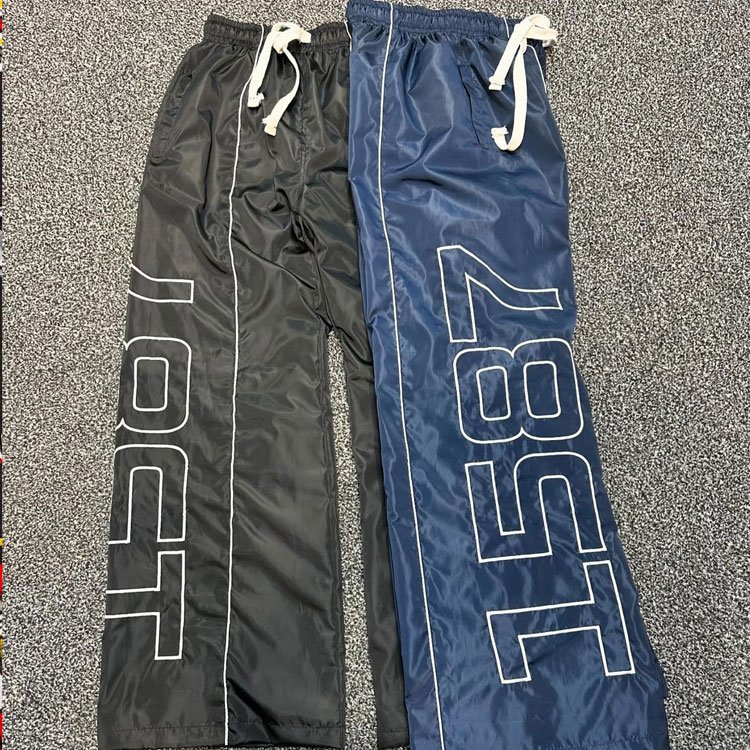
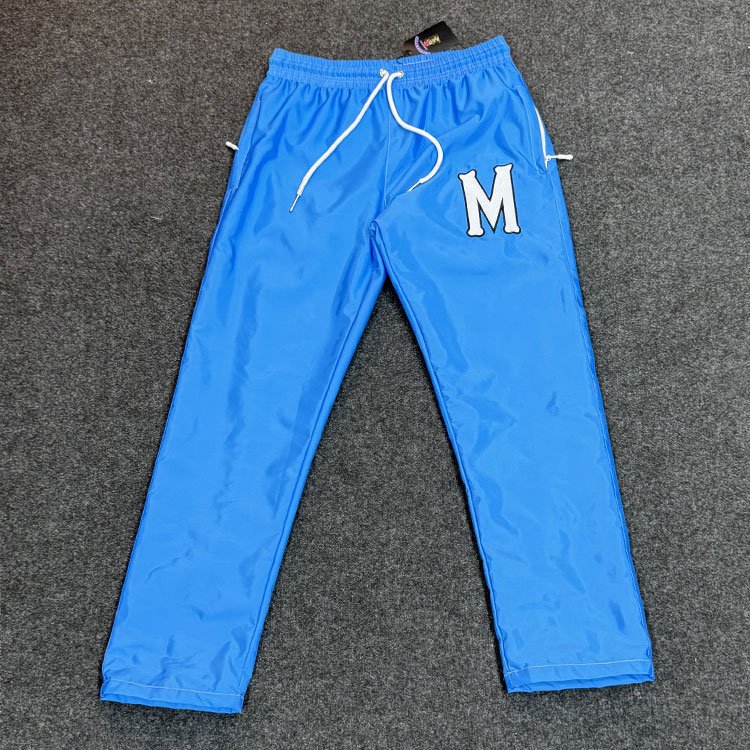
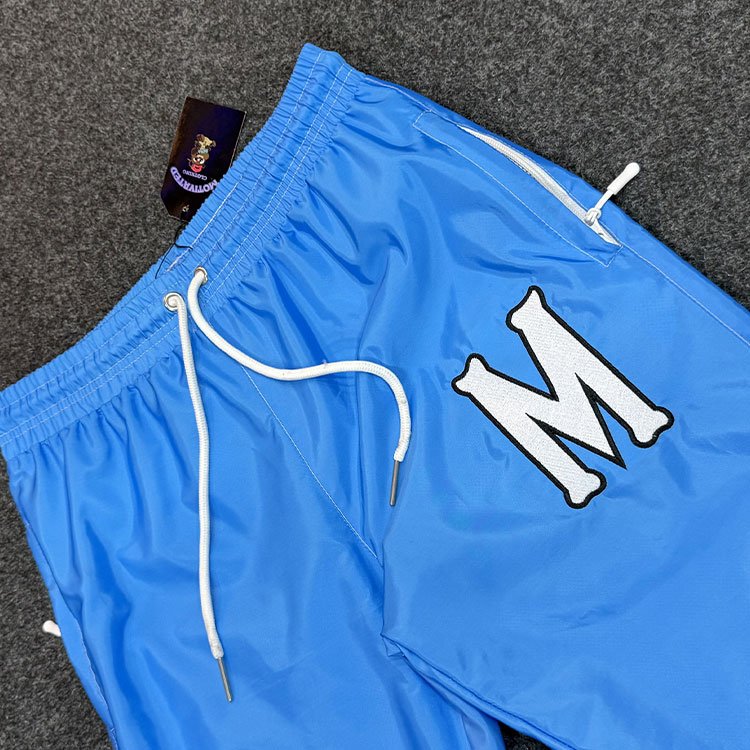
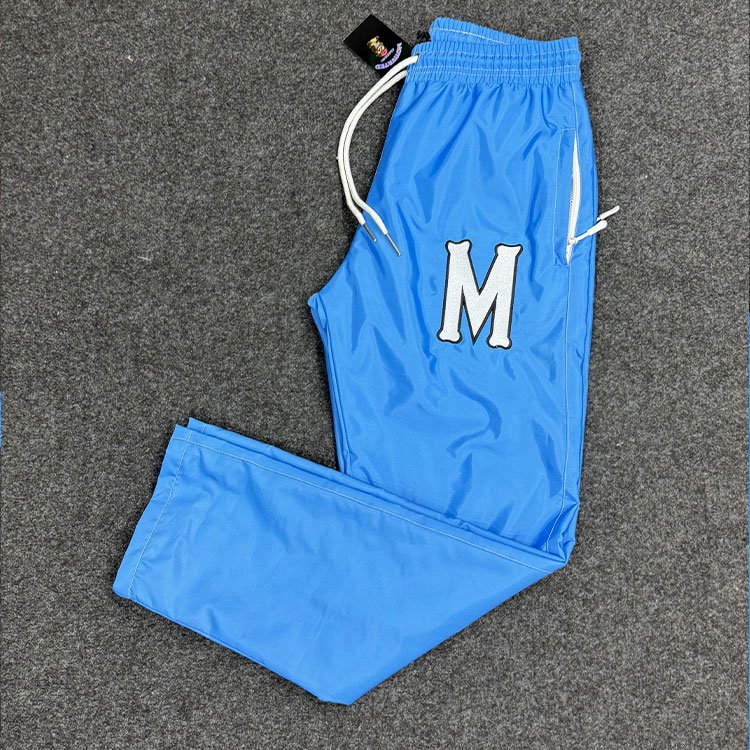
Voluminous, lightweight ripstop nylon with cinch-cord ankles and a baggy, technical silhouette are the utility-meets-streetwear bottoms buyers are chasing.


Voluminous, lightweight ripstop nylon with cinch-cord ankles and a baggy, technical silhouette are the utility-meets-streetwear bottoms buyers are chasing.
Ripstop nylon/poly.
Toggle/cinch cuff.
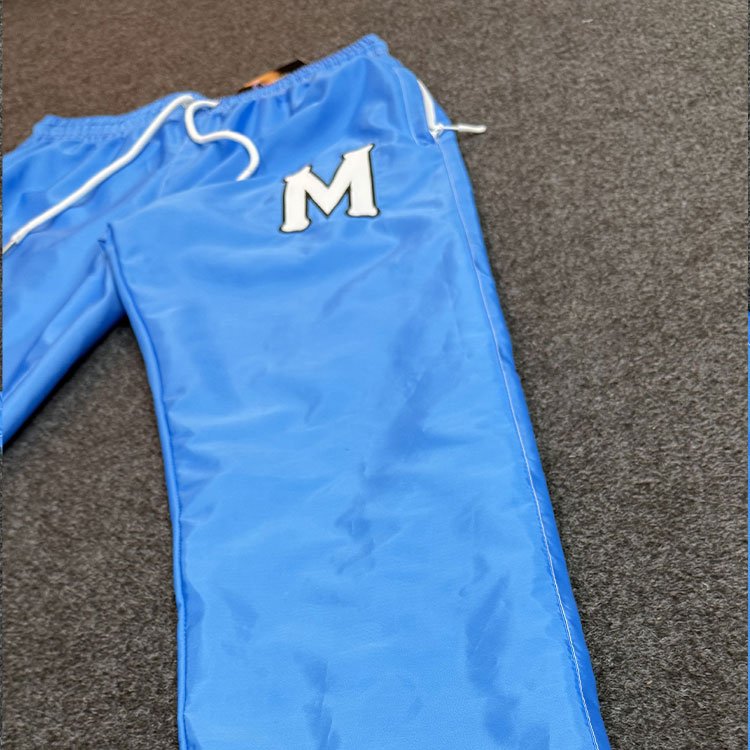
Baggy, technical.
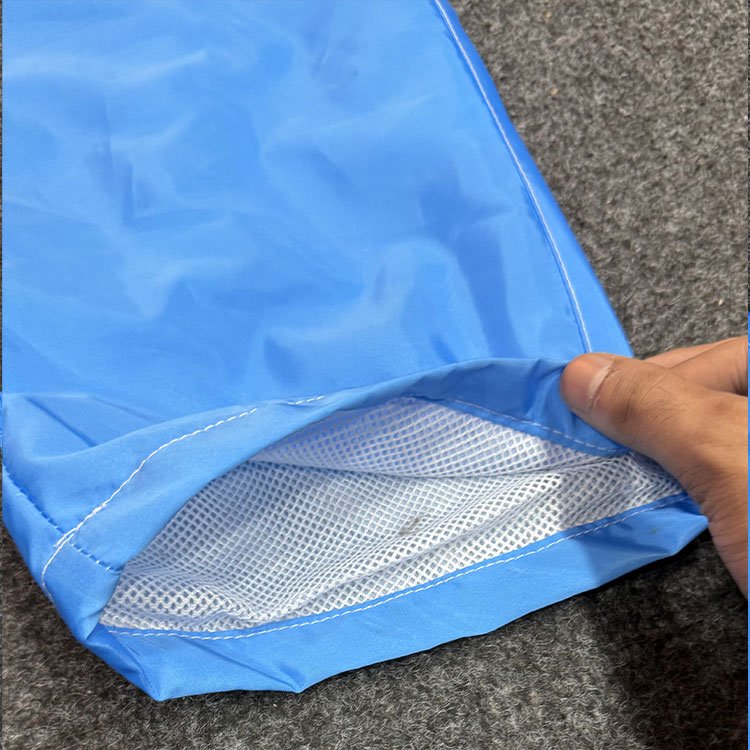
Optional mesh.
The parachute pant lives on contrast: maximum volume through the leg, cinched to a controlled ankle. Get that balance wrong, and it reads like pajamas.
The fabric matters: ripstop nylon holds the billowing shape and stays light; the toggles and cord channels have to be bar-tacked, or they blow out under tension. This is a technical bottom pretending to be a simple one, and the hardware is where cheap versions fail.
This blueprint covers the build sheet, ripstop and finish choices, how hardware and lining drive cost, private label options, sampling, MOQ and compliance, sizing on a voluminous block, and buyer questions.
Buyer tip: decide lined vs. unlined early. A mesh lining changes the drape, the price, and the sampling it’s not a late add-on.
A technical bottom in disguise the hardware and finish carry the look.
Ripstop nylon is the classic parachute fabric the grid weave resists tearing and holds that structured billow without adding weight. Poly taffeta gives a glossier, cheaper sheen; recycled nylon is available if sustainability is part of the story. Matte finishes read premium and streetwear; high sheen reads sport/retro. The fabric’s body is what separates a parachute pant that stands away from the leg from one that clings.
Nylon takes heat-transfer and reflective branding cleanly; embroidery is possible but must be backed to avoid puckering the light fabric. Brand the cargo flaps, the ankle cuffs, and the drawcords; add reflective piping for a technical edge; and finish with custom toggles. On nylon, heat-transfer and reflective detailing do more than a stitched logo.
Nylon sampling runs a little longer hardware and lining both need physical approval.
Send your tech pack, sketch, or a reference pair you like; if there’s no tech pack, we reverse-engineer the pattern from the sample.
We will quote within 24 hours based on your fabric weight, decoration, and target Incoterm and then confirm the spec in writing.
The proto sample was cut and shipped (7–10 days), so you can check the block, rise, and proportion on a real body rather than a flat drawing.
Fit + fabric sign-off: we grade the full size run to your measurement chart and match lab-dips to your Pantone colors.
Pre-production (PP) sample locks every seam, trim, and label; nothing enters bulk until you approve it.
Bulk cut, sewn, and finished (4–6 weeks), then AQL 2.5 inspected before folding, polybagging, and cartoning.
Ship FOB or DDP with your main labels, care labels, hangtags, and packaging already on the garment.
Lining and hardware move a parachute pant’s price more than the nylon itself.
MOQ is from 50 pieces per colorway per silhouette. Ordering multiple silhouettes in one dye lot can share setup costs, and we’ll structure the quote around it.
| Quantity / style | Indicative unit price |
|---|---|
| 100–198 | Base |
| 200–598 | −1% |
| 600–998 | −2% |
| 1,000–1,998 | −3% |
| 2,000+ | −4% |
Exact pricing is issued on the quote against your fabric, decoration, and Incoterm.
| Size | Waist | Hip | Inseam |
|---|---|---|---|
| S | 74 | 112 | 74 |
| M | 80 | 118 | 76 |
| L | 86 | 124 | 78 |
| XL | 92 | 130 | 80 |
Cut voluminous through hip and thigh; ankle cinches to a controlled opening. Waist relaxed; graded to your tech pack.
Parachute pants live and die on the ankle hardware and the fabric body. We bar-tack every cord channel and toggle mount, approve hardware and lining physically before bulk, and pick ripstop that actually holds the billow so the pant keeps its shape past the first wear.
Depends on the market. Unlined is lighter, cheaper, and more “airy”; a mesh lining adds structure, comfort against skin, and a more finished interior. Decide before sampling lining changes drape and price.
Yes, because we bar-tack the cord channels and toggle mounts. Blown-out cinch cords are the classic parachute-pant failure, and it’s always a construction shortcut, not a fabric one.
Ripstop nylon is tougher, holds the billow better, and reads premium; poly taffeta is cheaper with more sheen. For streetwear we default to matte ripstop.
Yes, recycled nylon is available if it fits your story.
Yes, same nylon and hardware for a technical set.
From 50 pieces per colorway, per design.