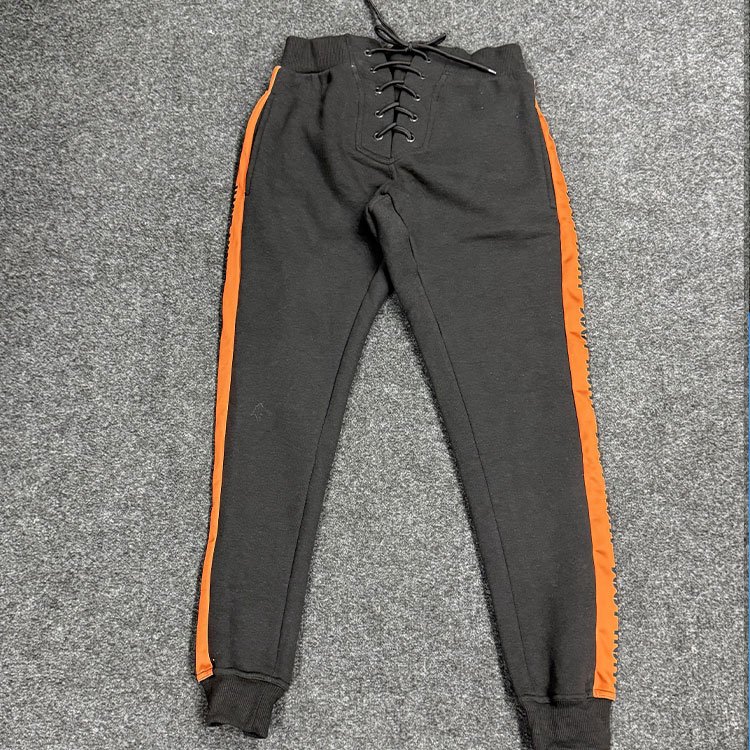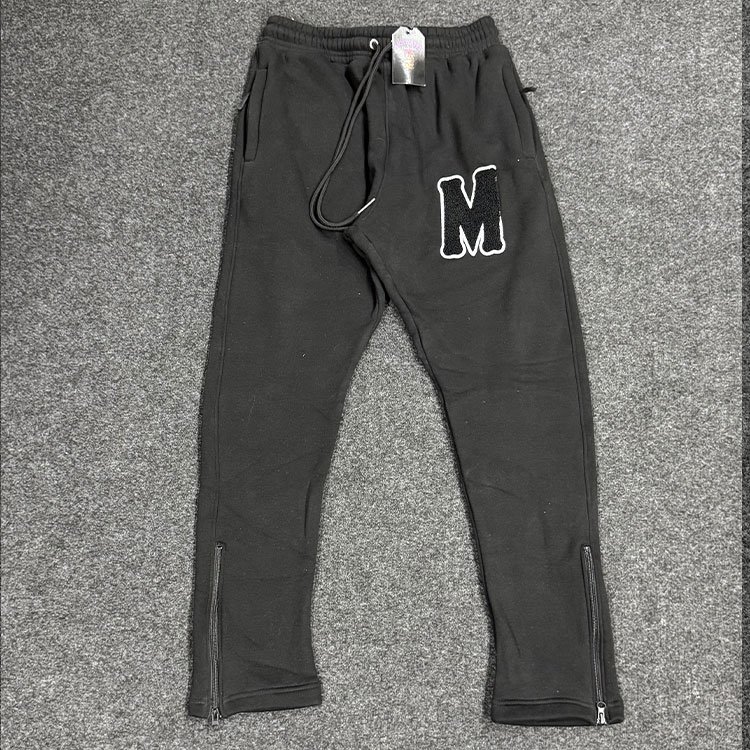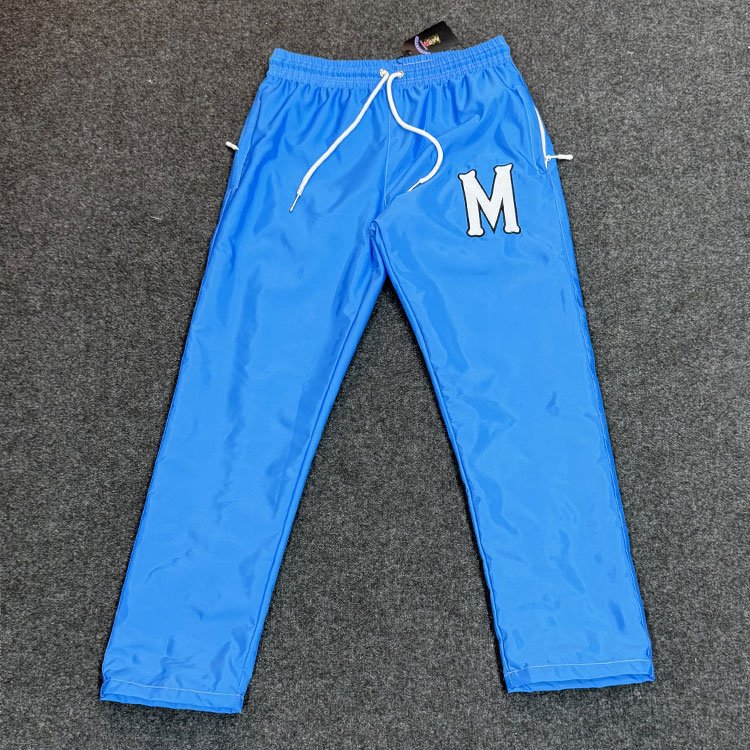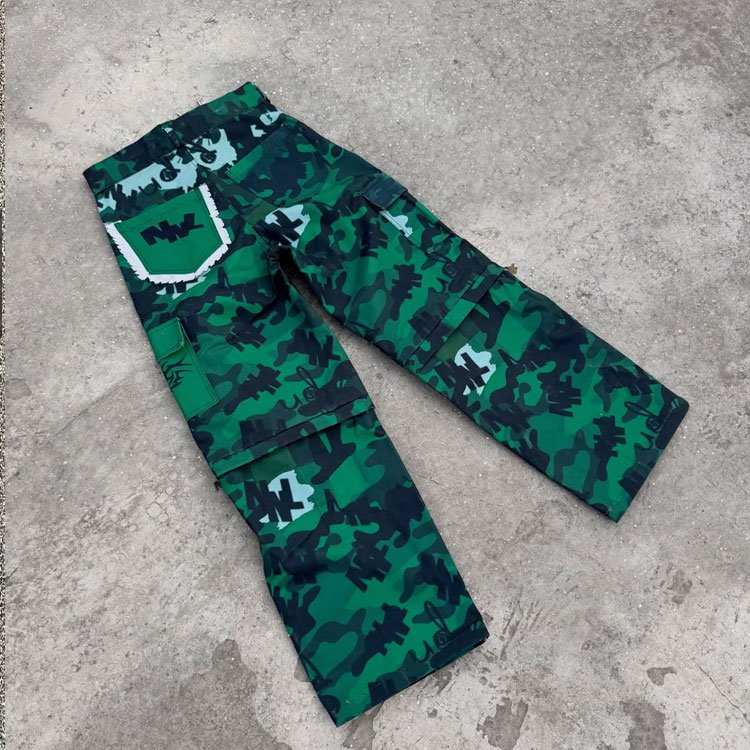

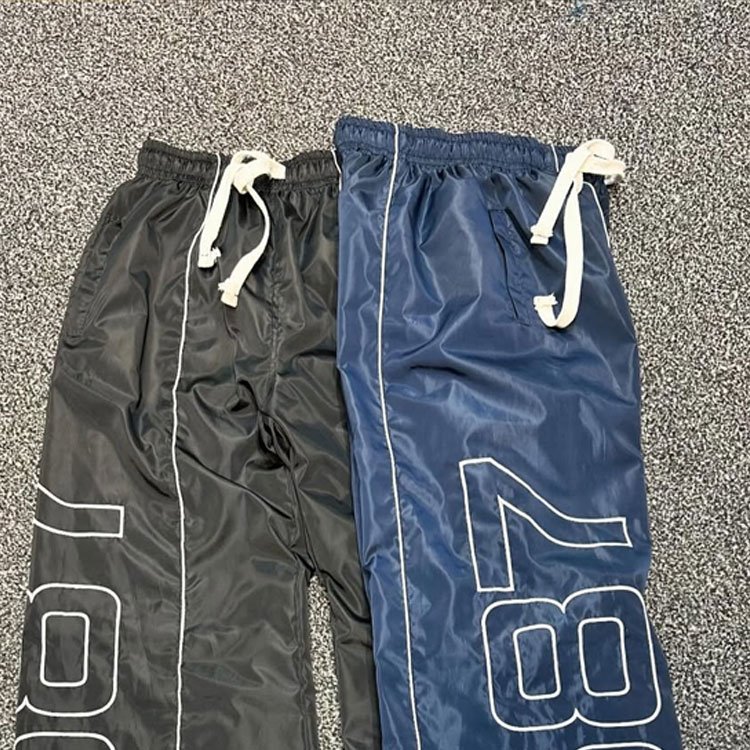
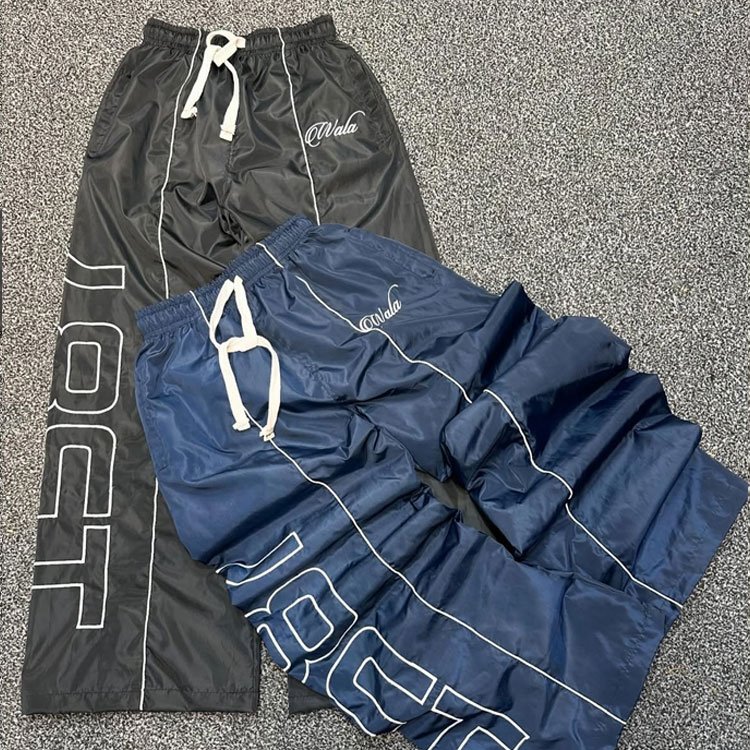
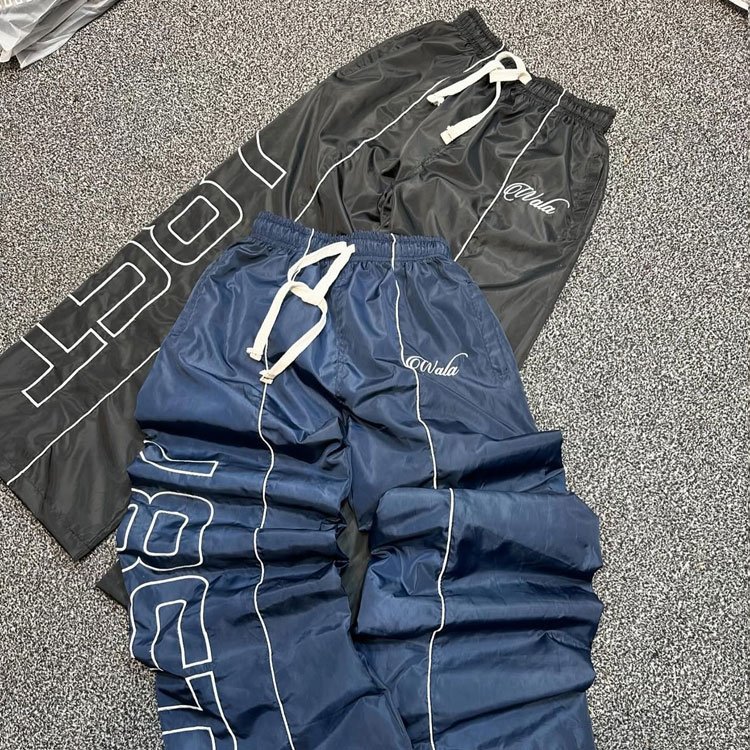
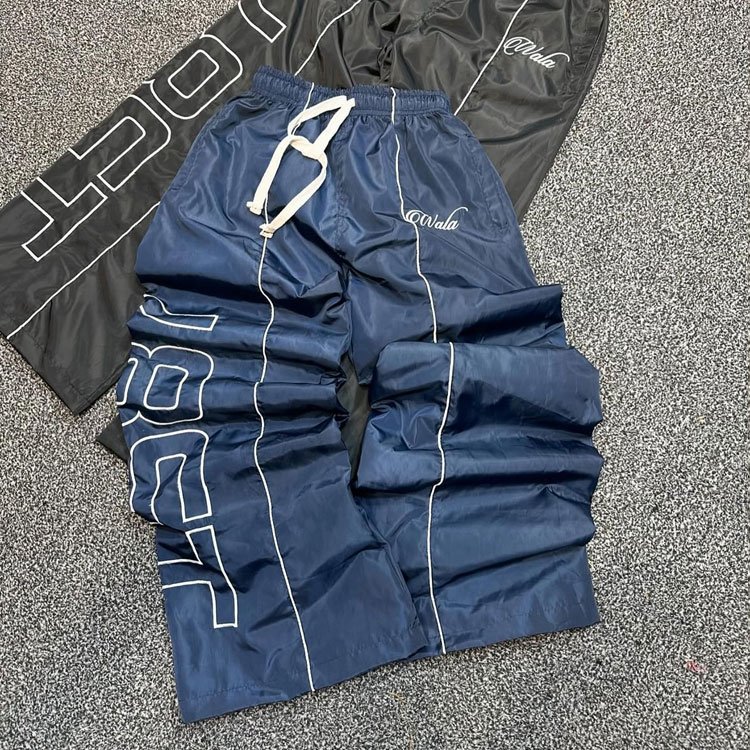
Windbreaker Pant Manufacturer
Windbreaker Pant Supplier
Cut and Sew Windbreaker Pant
Low MOQ Windbreaker Pant
Private Label Windbreaker Pant
B2B Manufacturing

Windbreaker Pant Manufacturer

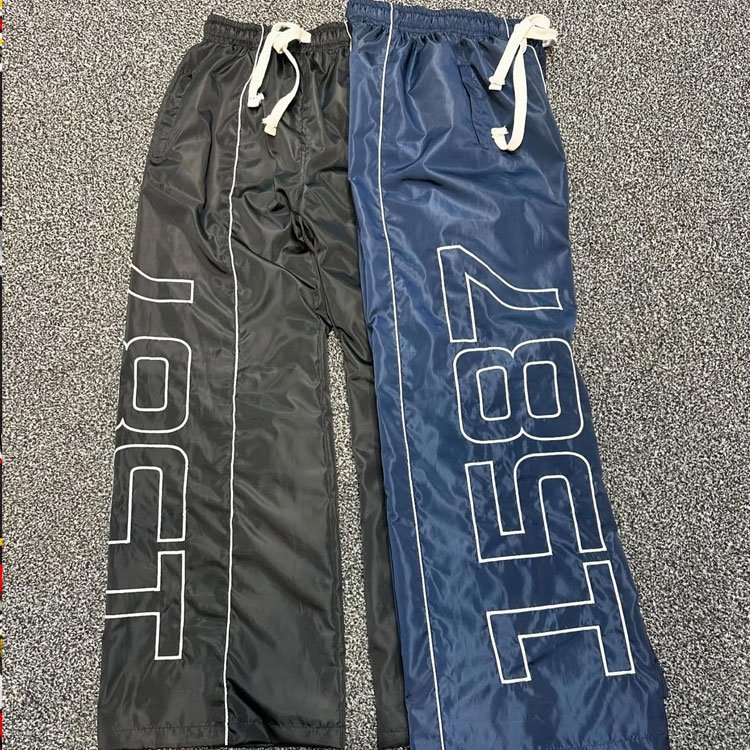
Lightweight, wind- and water-resistant shell pants with a smooth lining and adjustable hems the technical layer that packs down and shrugs off the weather.

Get a quote Request a sample

Tell us how your customer will wear it: city, training, or trail. We recommend the shell, lining, and seams and will provide a quote within 24 hours.

Paired, not picked

Shell and lining matched to the use case

On a real sample

Shell, lining, and DWR approved before bulk

YKK zips

Adjustable hems and zip pockets that last

AQL 2.5

Inspected before folding and packing
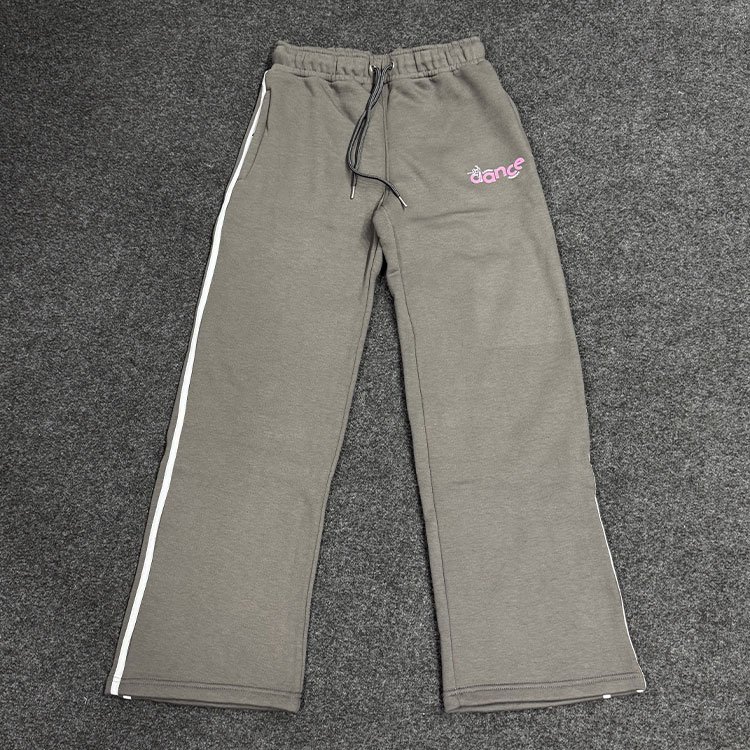
Shell

Nylon / ripstop.

Finish

DWR water-repellent.

Lining

Mesh or taffeta.

Hem

Zip / toggle adjust.

The Gibben Clothing Sourcing Blueprint

A technical layer, priced by its build

A windbreaker pant is the most “technical” bottom most brands will make, and the spec decisions are real engineering, not styling. Lining (mesh vs. taffeta vs. unlined), seam sealing (taped vs. plain), and DWR grade all change how the pant performs and what it costs.

Get the shell and lining pairing right, and it packs down, breathes, and sheds weather; get it wrong, and it clings or clams up. This is a build where cutting the wrong corner is felt by the wearer immediately.

This blueprint covers the build sheet, shell and lining choices, what taped seams and DWR actually add, private label on nylon, sampling, cost drivers, MOQ and compliance, sizing, and buyer questions.

Buyer tip: decide on lining and seam sealing together. A taffeta lining with taped seams is a genuinely weather-ready pant; unlined with plain seams is a fashion shell. Price and performance both follow that choice.

Built for brands

Who we make windbreaker pants for

The same shell becomes three different products depending on the lining and seams underneath.

Streetwear and athleisure

A clean nylon shell in matte or sheen, unlined or mesh-lined, with branded zip pulls. The fashion shell that sits over any outfit.

Private label with Gibben

Running and training brands

Mesh lining that breathes, reflective piping for low light, and zip hems that go over trainers. Built to move.

All bottoms we make

Outdoor and travel lines

A DWR-finished shell with taffeta lining and taped seams for real weather, or an unlined, packable build that folds into a bag.

How low-MOQ production works

Technical Specification

Build sheet

A performance layer: every line here is a comfort or weather decision.

Shell
Nylon / ripstop
Lining
Mesh or taffeta
Hem
Zip / toggle adjust
Seams
Optional taped
Finish
DWR water-repellent
Waist
Elastic + drawcord
Pockets
Zip side pockets
Finish
Matte or sheen

The first decision

Four builds: lining and seams, decided together

Your buyer tips in one table. Pick the row that matches how your customer will actually wear the pants.

Build What it is How it wears Cost
Unlined, plain seams A fashion shell The lightest and most packable. Sits directly on skin The leanest
Mesh lining, plain seams An active layer Breathes. Made for training and movement Adds lining
Taffeta lining, plain seams A premium everyday pant Smoother and warmer, with a more premium read Adds lining
Taffeta lining, taped seams Genuinely weather-ready Sheds weather through the seams as well as the shell The highest

Lining and seam sealing move the price more than the shell fabric, so this choice sets most of your quote.

Side by side

What your hangtag can honestly say

Your customer finds out in the first shower. Match the claim to the build, and the claim holds.

Claim on your hangtag Fashion shell (unlined, plain seams) Weather-ready (taffeta, taped seams)
Wind-resistant Yes, the shell blocks wind Yes
Water-repellent (DWR) Yes, sheds light rain Yes, sheds light rain
Sealed seams No Yes
Packable Yes, the most packable build Less so, the lining adds bulk
Waterproof No Not by default. Tell us if you need it, and we’ll advise

An overclaim costs more than it earns

Call a fashion shell “waterproof,” and the first rainstorm turns into a return, a review, and a customer who won’t trust your next technical claim. Specify the build to the claim, or the claim to the build. Either way, the words on your hangtag stay true.

Fabric & Construction

Shell and lining are a pair

The shell (nylon or ripstop) blocks wind and, with a DWR finish, sheds light rain; the lining is what makes it wearable. Mesh lining breathes and suits active use; taffeta lining is smoother, warmer, and reads more premium. Unlined shells are the lightest and most packable but sit directly on skin. Recycled nylon shells are available. The magic is matching a breathable-enough lining to a weather-resistant-enough shell for your use case.

Build it for how it’ll be worn

Use case Shell Lining Seams Hem and trim
City and streetwear Nylon, matte, or sheen Unlined or mesh Plain Toggle hem, branded zip pulls
Running and training Nylon or ripstop Mesh Plain Zip hem, reflective piping
Rain and outdoor Ripstop with DWR Taffeta Taped Zip hem, zip pockets
Travel and packable Lightweight nylon Unlined Plain Adjustable hem
Branding & Private Label

Make it yours, end to end

Nylon shells take heat-transfer and reflective branding cleanly; embroidery must be backed to avoid puckering and can compromise water resistance, so it’s best kept off the shell face. Brand the hem, the thigh, and the zip pulls; add reflective piping for a technical, high-visibility edge. Branded zip pulls and a woven interior label finish the private-label package.

Branding that doesn’t compromise the shell

Placement Best method Why it works on a shell
Thigh Heat-transfer logo Bonds to the surface with no needle holes
Down the leg Reflective piping A high-visibility edge that doubles as branding
Hem Heat-transfer or reflective hit Seen every time the hem is adjusted
Zip pulls and toggles Branded pulls, custom toggles Branding on hardware, not on the fabric
Inside Woven interior label Private-label finish with nothing through the shell
Development & Sampling

From tech pack to bulk

Nylon shells sample a little longer; the shell, lining, and DWR all need physical approval, and any taped seams add a step.

01

Send your tech pack, sketch, or a reference pair you like; if there’s no tech pack, we reverse-engineer the pattern from the sample.


02

We will quote within 24 hours based on your fabric weight, decoration, and target Incoterm and then confirm the spec in writing.


03

The proto sample was cut and shipped (7–10 days), so you can check the block, rise, and proportion on a real body rather than a flat drawing.


04

Fit + fabric sign-off: we grade the full size run to your measurement chart and match lab-dips to your Pantone colors.


05

Pre-production (PP) sample locks every seam, trim, and label; nothing enters bulk until you approve it.


06

Bulk cut, sewn, and finished (4–6 weeks), then AQL 2.5 inspected before folding, polybagging, and cartoning.


07

Ship FOB or DDP with your main labels, care labels, hangtags, and packaging already on the garment.

What Moves The Price

Cost drivers, in plain terms

Lining and seam sealing move a windbreaker’s cost far more than the shell fabric.

Lining + seam sealing
taped/taffeta
= cost
Order quantity
MOQ tiers
Shell + DWR grade
water
resistance
Hardware
(zips/toggles)
YKK,
adjust
Reflective / trim
technical
detail
Decoration
heat-
transfer

Spend where your customer will feel it

For active wear

Put the budget into mesh lining and zip hems. Taped seams add cost that a runner won’t notice.

For real weather

Spend on taffeta lining and taped seams. That’s the pairing that actually keeps the wearer dry.

For fashion shells

Go unlined with plain seams and put the budget into the finish, the color, and the branded hardware.

MOQ, Logistics & Compliance

The commercial detail

MOQ is from 50 pieces per colorway per silhouette. Ordering multiple silhouettes in one dye lot can share setup costs, and we’ll structure the quote around it.

Quantity / style Indicative unit price
100–198 Base
200–598 −1%
600–998 −2%
1,000–1,998 −3%
2,000+ −4%

Exact pricing is issued on the quote against your fabric, decoration, and Incoterm. 

Count back from your drop date

This assumes one proto round. Shell, lining, and DWR approvals come on top, and taped seams add a step.

Stage By air By sea
Quote Within 24 hours Within 24 hours
Proto sample 7-10 days 7-10 days
Bulk, including AQL inspection 18-30 days 18-30 days
Shipping 5-12 days 25-40 days
Stock in hand About 5-8 weeks About 8-12 weeks
Size Chart (cm)

Regular fit

Size Waist Hip Inseam
S 74 106 76
M 80 112 78
L 86 118 80
XL 92 124 82

Cut with ease for layering over other bottoms. Adjustable hems fine-tune the leg opening. Waist relaxed; graded to your tech pack.

Why Source This With Us

Built by people on the floor

A windbreaker either performs or it doesn’t, and the buyer finds out in the first shower. We pair shell and lining deliberately, approve DWR and seam sealing on a physical sample, and use YKK zips so the technical claims on your hangtag are actually true.

✓ Shell + lining paired to use case
✓ Mesh or taffeta lining
✓ Reflective / packable options
✓ DWR + optional taped seams
✓ YKK zips, adjustable hems
✓ Direct Sialkot production
FAQ: Windbreaker Pants

Buyer questions

Water-resistant. The shell blocks wind, and the DWR finish sheds light rain. Taped seams stop water getting in through the stitch lines. We don’t sell a pant as waterproof by default, so if you need that claim, tell us and we’ll advise on the build.

Mesh breathes and suits active use like running and training. Taffeta is smoother and warmer, and it reads more premium. Pair taffeta with taped seams for a genuinely weather-ready pant.

Taped seams seal the stitch lines so water doesn’t come through where the shell is sewn. They add a production step and cost, so they’re worth it on pants sold for real weather and usually not on fashion shells.

Yes. An unlined shell is the lightest and most packable build. It sits directly on the skin, so it suits travel and fashion use.

It’s possible when backed, but embroidery can compromise water resistance, so it’s best kept off the shell face. Heat-transfer and reflective branding work better on nylon and leave the shell intact.

From 50 pieces per style, split across as many colorways as you need. Running more than one silhouette in one dye lot can share setup costs.

DWR sheds light rain well when new, and like any water-repellent finish, it gradually reduces with wear and washing. Gentle washing helps it last. Put care instructions on your label so your customer knows.

Yes. The block is cut with ease for layering over other bottoms, and adjustable hems fine-tune the leg opening.

Yes. Reflective trim or piping adds a high-visibility, technical edge, ideal for running and training lines.

Yes. Recycled nylon shells are available if sustainability is part of your brand story.

Ready when you are

What to send for a fast, accurate quote

Start with how the pants will be worn. That decides the lining and seams, and those decide the price.

  • How it’ll be worn: city, training, rain or travel
  • Lining: unlined, mesh or taffeta
  • Seams: plain or taped
  • Shell: nylon, ripstop or recycled nylon, matte or sheen
  • Hem: zip or toggle adjust
  • Branding: heat-transfer, reflective, zip pulls, interior label
  • The claims you want on your hangtag
  • Quantity per colorway, and FOB or DDP