Chapter 1
What is the sampling process really?
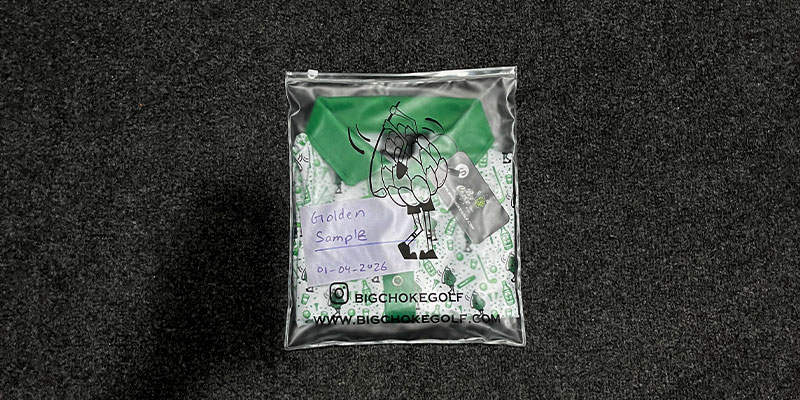
Sampling is the bridge between an idea on paper and a garment made by the thousand.
It is the stage where a factory builds your design a few units at a time, you check it, and you both fix problems while they are still cheap to fix.
A tech pack tells the factory what you want.
A sample proves whether that intent survives contact with real fabric, real machines, and real hands.
The gap between the two is bigger than most new brands expect, and sampling exists to close it.
Think of it this way:
Your design has assumptions baked into it: a certain drape, a certain shrinkage, a print that sits exactly where you drew it, and a fit that flatters the body.
Every one of those assumptions is a guess until a physical sample tests it.
Sampling turns guesses into confirmed facts before you commit money to bulk.
Why the process exists at all:
It would be faster to skip straight to production.
It would also be a gamble with your entire order.
Here is what sampling is actually protecting you from:
- Fit surprises. A hood that looks right flat can sit wrong on a body. A sleeve that measures fine on paper can pull at the cuff.
- Fabric behavior. Two fabrics with the same GSM on a spec sheet can drape, shrink, and feel completely different in hand.
- Decoration drift. A print color on screen rarely matches the same color on fleece. Placement shifts. Embroidery puckers if the backing is wrong.
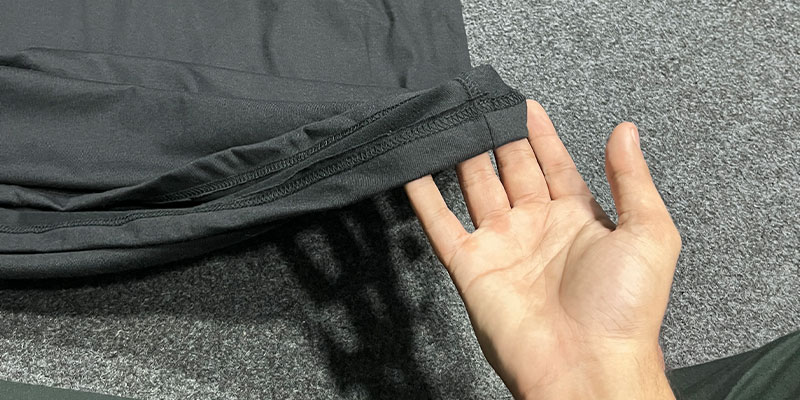
- Construction reality. Some seams that look clean in a sketch are slow or weak to sew at scale, and a good factory will flag this during sampling.
From our sample room
We treat the first sample as a conversation, not a verdict.The point of a prototype is not to be perfect; it’s to surface every disagreement between what you pictured and what the garment actually wants to be, while changing it still costs one sample instead of a full run.
Sampling vs. bulk: A different mindset
In bulk, you want everything locked and identical.
In sampling, you want to be ruthless about catching what is wrong.
These are opposite mindsets, and confusing them is where brands get into trouble.
The brand that wants its first sample to already be “the one” tends to under-comment, approve too early, and then meet the same flaws multiplied across a thousand units.
The healthier frame: every sample round is a cheap experiment.
The cost of being thorough now is a few weeks and a few sample charges.
The cost of being lazy now is a bulk run you can’t sell.
We unpack that trade-off fully in Chapter 6.
What do you need before sampling can start?
Sampling goes faster and cheaper when you arrive prepared.
Before a factory can make a useful first sample, it needs a clear picture of what you’re after.
Three things do most of the work:
- A tech pack. The more complete it is with measurements, fabric, GSM, construction notes, trims, and decoration placement, the closer your proto starts to be right, and the fewer rounds you’ll burn.
- Reference samples. An existing garment whose fit, weight, or hand you like gives the factory a physical target. One reference sample can save a whole round of explaining in words.
- Target quantities. A rough order size lets the factory advise on fabric sourcing and whether the plan is viable against its minimums before you’ve sunk time into samples.
You don’t need every detail perfect on day one; that’s partly what sampling is for.
But the gaps you leave become questions the factory has to ask mid-round, and every question is a small delay.
A strong starting brief is the cheapest speed-up available.