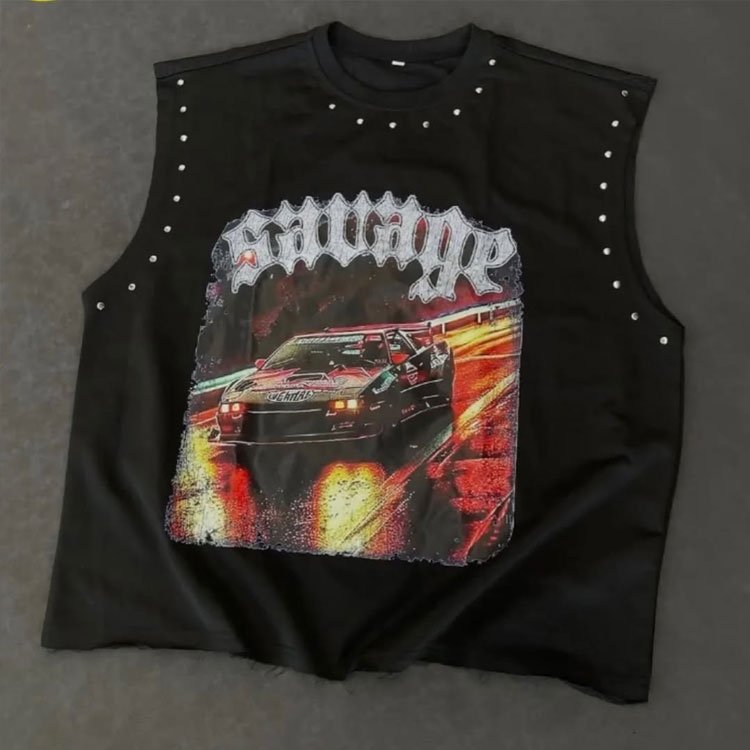

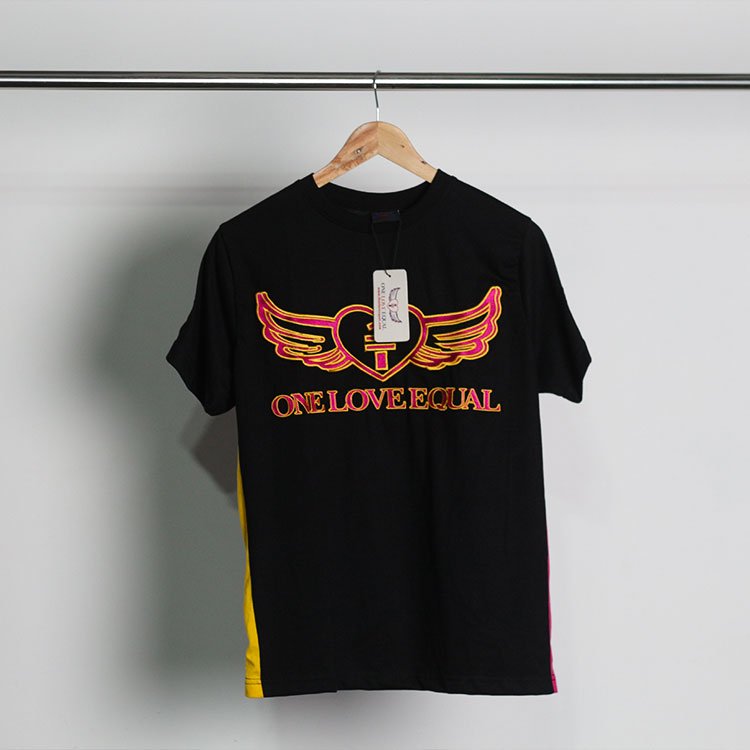
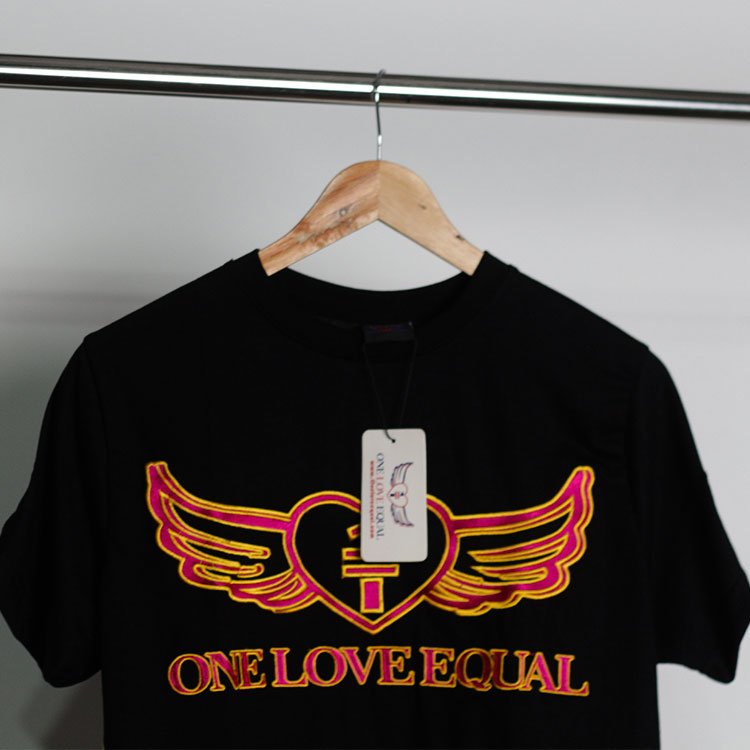
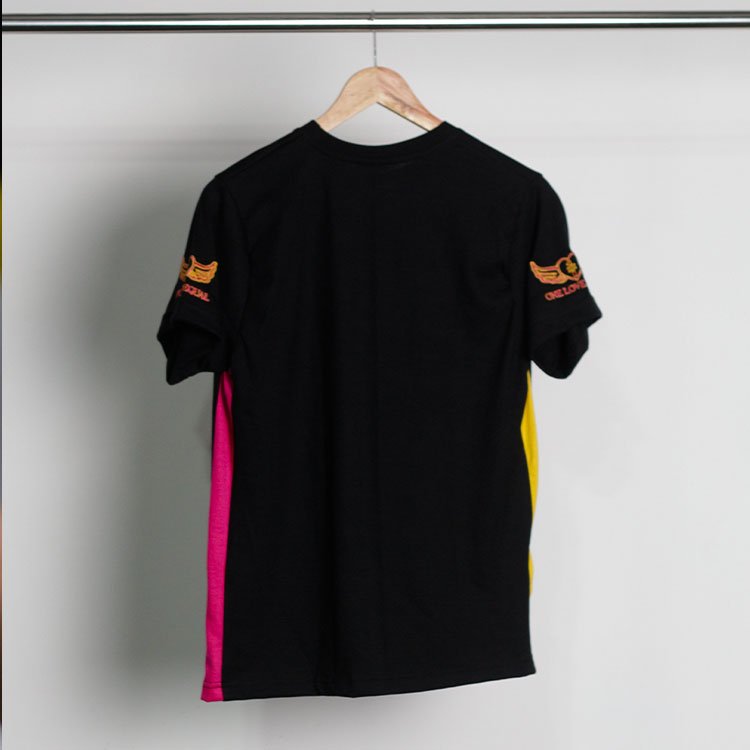
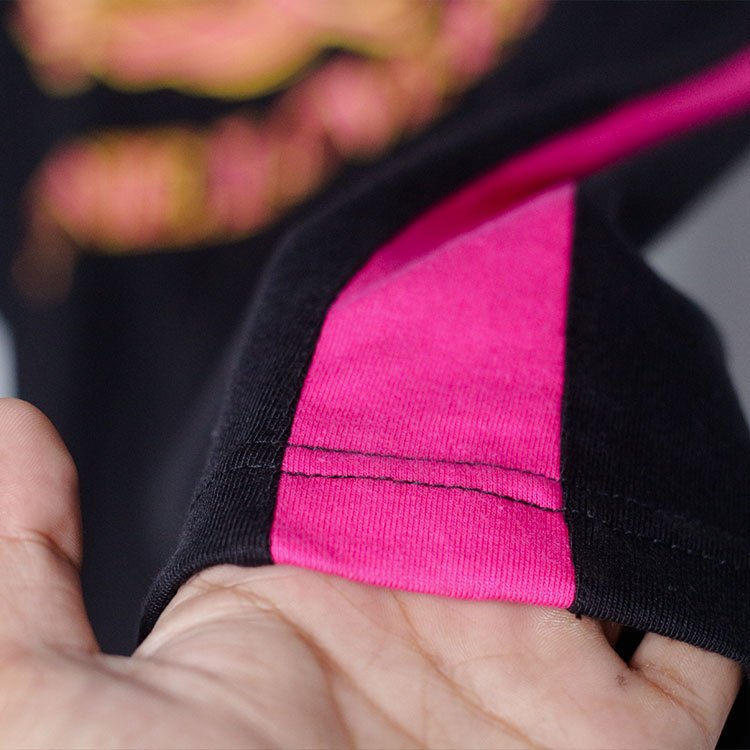
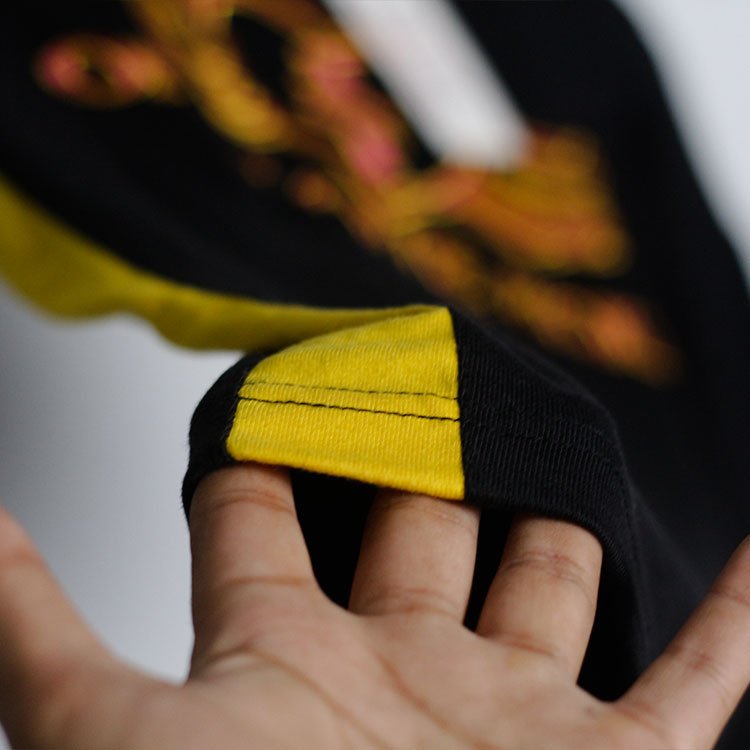
Oversized & Boxy Tee Manufacturer
Two heavyweight blocks from one production setup: the long, draped, drop-shoulder, oversized; and the wide, short, squared, boxy. 240–300gsm cotton that actually holds the silhouette buyers are asking for.
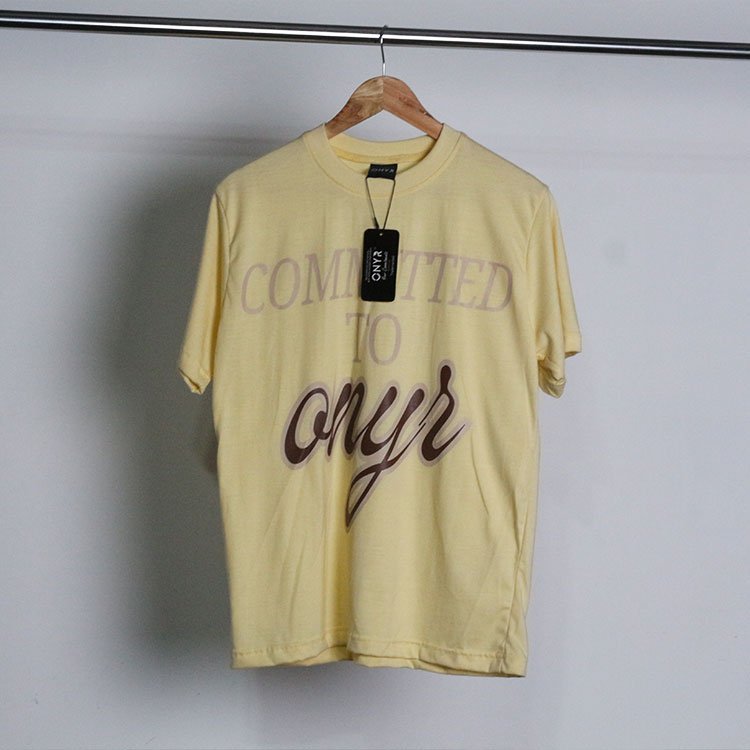
“Oversized” and “boxy” get used as if they were the same silhouette. They aren’t. Oversized is long and draped: the shoulders drop, and the body widens and lengthens. Boxy is short and squared: the chest widens while the body shortens, so the tee stands away from the body rather than falling on it. Order one, thinking you’ll get the other, and the lookbook falls apart.
This brief covers both because they share a fabric spec, a decoration setup, and a QC standard, which means a brand can run both in one production window without paying twice for setup. What changes is the pattern, and that’s exactly what we sample against your reference before anything is cut.
Inside: how weight controls the silhouette, the exact difference between the two blocks, decoration on a big front canvas, shrinkage control on a long body, volume pricing, and both size charts.
An oversized or boxy tee is a patterned silhouette, not a size-up. And both live or die on fabric weight light cotton collapses onto the body, and the shape disappears. 240gsm and up is what makes the drape (or the stand) hold.
Long and draped. The body extends past the hip, and the shoulder seam sits down the arm. Reads relaxed, modern, and wearable year-round. Customers buy their normal size.
Wide chest, short body. The same chest width as oversized but 4–6cm]] shorter, so it squares off and stands away from the torso. Reads sharper and more fashion-forward.
Same fabric, same decoration, same QC only the pattern changes. That’s why brands run both in one order: shared setup, two silhouettes. We’ll sample whichever your reference actually is, so nobody’s guessing.
Structured, everyday oversized holds the silhouette with a wearable weight for year-round drops.
Heavier, premium drape the mid-point most premium streetwear brands land on, and where boxy starts to look right.
Ultra-heavy, boxy structure the fabric stands away from the body; the flagship piece weighs for both blocks.
Placement shifts by block. On oversized, front prints move wider and lower to sit right on the bigger canvas. On boxy, the shorter body raises the visual center, so prints run centered and slightly higher. Both are marked on your PP sample; on the actual block, never estimated.
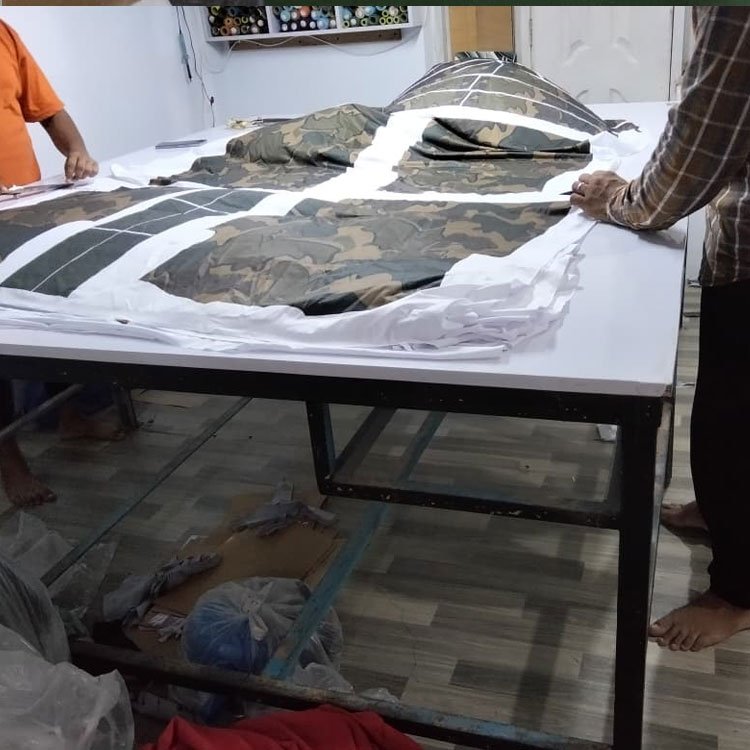
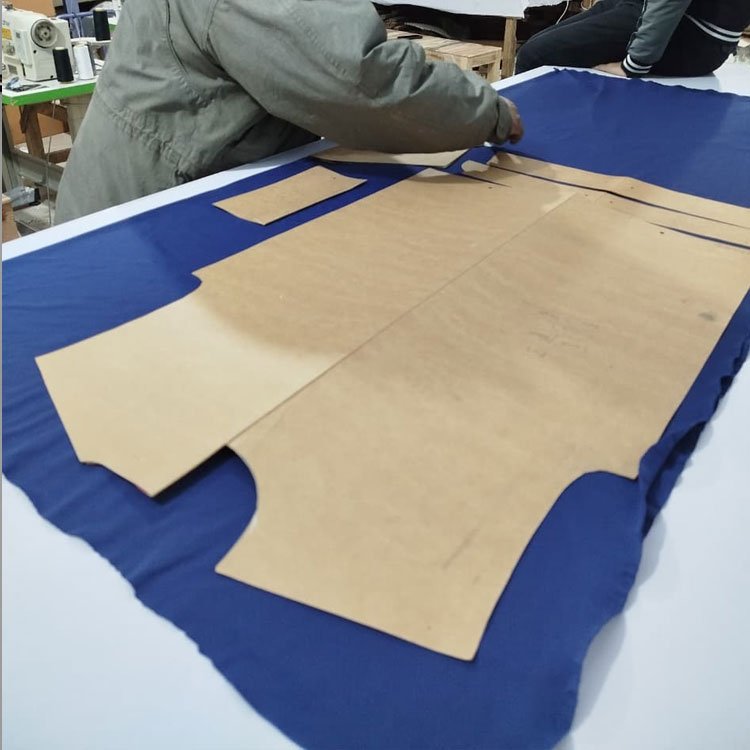
Put the two patterns on the cutting table next to each other, and the confusion ends instantly. The chest widths are almost identical, but the boxy body is visibly cut short. That single ratio is the whole silhouette, and it’s why we insist on sampling to your reference rather than to a word.
The other thing we watch is shrinkage on the long oversized body. A tee that loses length in the customer’s wash stops reading “oversized”; it just reads “short.” So the fabric is pre-shrunk before cutting, and the fit sample goes through a real wash test, not a promise. Residual shrinkage is held under 5%.
None of this is exotic. It’s just the difference between a block that matches the lookbook and one that arrives ‘close enough,’ and close enough is what gets a run rejected.
Chest, length, shoulder drop, and sleeve are confirmed against your reference; the block is locked here for both silhouettes.
Shrinkage and dimensional stability verified on the sample, so the finished tee holds its silhouette after the customer washes it.
Construction, decoration, and labels are signed off together before bulk, the last approval before cutting.
Unit price steps down as quantity rises same fabric, same QC, better economics. Split runs and reorders keep your earned tier.
| Quantity / style | Indicative unit price |
|---|---|
| 100–198 | Base |
| 200–598 | −1% |
| 600–998 | −2% |
| 1,000–1,998 | −3% |
| 2,000+ | −4% |
| Size | Chest | Length | Sleeve |
|---|---|---|---|
| S | 56 | 71 | 23 |
| M | 59 | 73 | 24 |
| L | 62 | 75 | 25 |
| XL | 65 | 77 | 26 |
Already cut oversized — customers order their usual size. Customizable to your tech pack.
| Size | Chest | Length |
|---|---|---|
| S | 56 | 67 |
| M | 59 | 69 |
| L | 62 | 71 |
| XL | 65 | 73 |
Note the wide chest against the short body that ratio creates the signature boxy fit. A cropped women’s grade is also available. Fully customizable to your tech pack.
A label wanted both an oversized hero tee and a boxy companion piece in the same drop, on the same 280gsm base, with a shared front print. The instinct is to treat them as two separate jobs.
Because the fabric, ink, and QC standard were identical, we ran them as two blocks off one shared setup strike-off, shared compliance, and staggered cutting. The brand got two distinct silhouettes without paying twice to get started.
Blocks, one order
gsm base
Shared print setup
Same chest width, different body length. Oversized is long and draped with a dropped shoulder; boxy is 4–6 cm shorter so it squares off and stands away from the body. We sample whichever reference you actually are.
Yes they’re separate styles with separate MOQs, but they share fabric, decoration and QC setups, so the combined run stays efficient. Quote both together.
Roughly 6–8 cm wider in the chest and 3–4 cm longer than our regular fit per size, with a dropped shoulder. Customers buy their normal size and get the oversized read no size-up guesswork.
Yes, ship the reference, and we reverse-engineer the chest, length, shoulder drop, and sleeve, verified against it on the fit sample to ±1 cm.
Effectively, yes, under 240 gsm the cotton collapses onto the body and the squared silhouette disappears. 280–300gsm is where the block looks like the lookbook.
Fabric is pre-shrunk before cutting, targeting residual shrinkage under 5%, which is critical on oversized garments, where shrinkage visibly shortens the silhouette. Verified on the fit sample’s wash test.