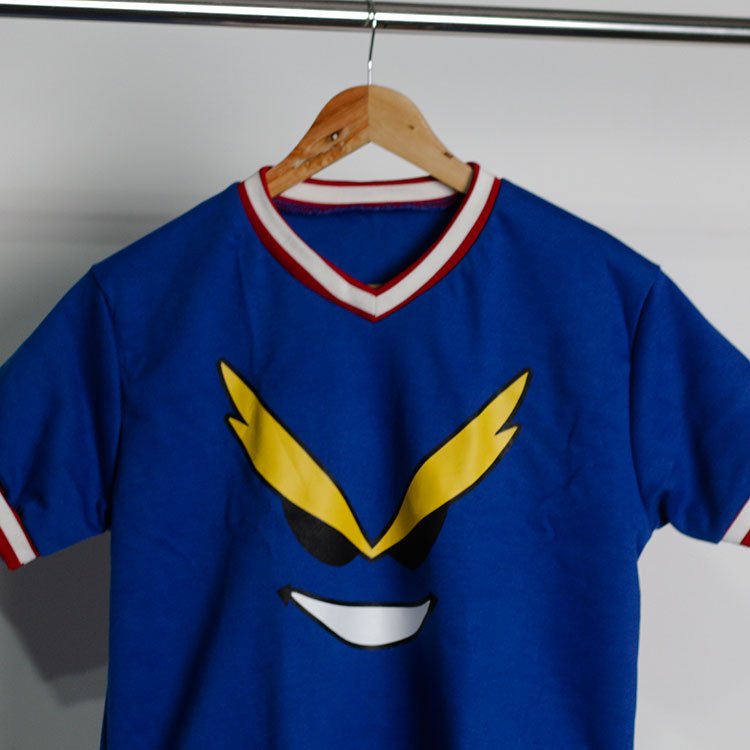
Tees
Heavyweight Tee Manufacturer
Dense 240–300 gsm combed ring-spun cotton with a substantial hand, the weight class where a tee stops being a basic and starts being the product.


Tees
Dense 240–300 gsm combed ring-spun cotton with a substantial hand, the weight class where a tee stops being a basic and starts being the product.
A number on a spec sheet, 250gsm or 280gsm, is where most heavyweight sourcing conversations start and stop. But two 280gsm tees can feel completely different in the hand, depending on the yarn, the knit, and how the fabric was finished. Weight is the headline; construction is the story.
This brief is about the difference. It covers combed versus carded yarn, ring-spun versus open-end, why a dense knit matters more than a heavy-but-loose one, and how a heavyweight body changes the way prints and embroidery sit. This is the tee that anchors a premium line, so it’s worth speccing beyond the gsm.
Also inside: construction details that carry the weight class, decoration notes for dense fabric, volume pricing, QC, and the buyer questions that separate a real heavyweight from a marketing one.
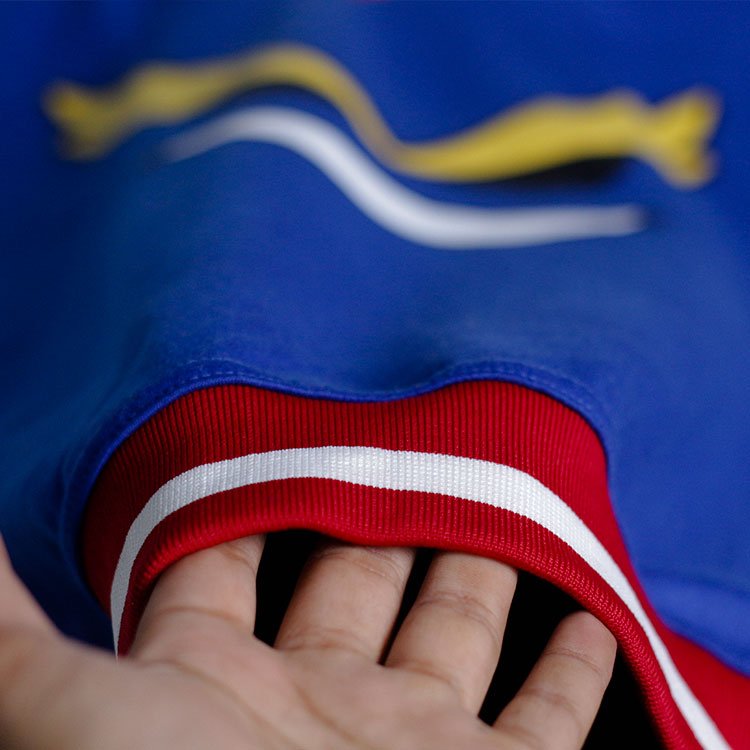
Heavy fabric puts more load on every seam and hem. Under-built construction shows fastest here rolled hems, twisted side seams, and a collar that waves after one wash. The spec below is what keeps a heavy tee looking deliberate rather than just thick.
Short fibers are combed out before spinning, leaving long, aligned fibers for a smoother, stronger, softer yarn that prints cleaner.
Yarn is twisted continuously for a finer, denser, more durable thread than open-end, the hand-feel most premium tees are built on.
A tightly knit 250 gsm outperforms a loose 280 gsm: it holds shape, resists pilling, and gives print a flat, square surface.
We keep swatches of the same nominal weight knitted two ways, dense and loose, for exactly one reason: to show buyers that GSM is only half the answer. Put them side by side, and the denser, lighter swatch feels more substantial than the heavier loose one. Weight you can measure; hand you have to feel.
On the floor, the heavyweight tees that come back for reorders are almost always combed ring-spun on a tight knit. They print flatter because the surface is even; they hold the collar because the rib is dense; and they survive the wash cycle that thins a cheaper heavy tee out in a season.
So when a brand sends a target GSM, we send back a physical swatch to approve because the number alone has burned more than one sourcing decision, and a swatch settles it before fabric is committed.
Dense fabric is a gift for decoration a flat, stable surface that holds registration and takes embroidery without puckering. Screen print sits crisp, puff stands proud, and embroidery has a firm base to bite into. We prove the method on your actual weight before bulk.
Unit price steps down as quantity rises same fabric, same QC, better economics. Split runs and reorders keep your earned tier.
| Quantity / style | Indicative unit price |
|---|---|
| 100–198 | Base |
| 200–598 | −1% |
| 600–998 | −2% |
| 1,000–1,998 | −3% |
| 2,000+ | −4% |
| Size | Chest | Length | Sleeve |
|---|---|---|---|
| S | 51 | 71 | 21 |
| M | 54 | 73 | 22 |
| L | 57 | 75 | 23 |
| XL | 60 | 77 | 24 |
Also available as a boxy or oversized grade same fabric, different block. Customizable to your tech pack.
A brand was buying blank 180gsm tees and printing them, and the pieces felt like everyone else’s. They wanted the product itself to justify the price, not just the graphic.
We moved them to a combed ring-spun 280 gsm on a dense knit, garment-dyed for a lived-in color, with a reinforced collar. Same graphic, completely different object in the hand and a spec no competitor could copy from a catalog.
gsm, combed ring-spun
Reorder units
QC rejects
No, a dense, tightly knit 250gsm can feel more premium than a loose 280gsm. We approve a physical swatch of your target weight and knit, so you’re buying hand feel, not just a number.
300gsm is our standard ceiling for tees; heavier is possible against swatch approval.
Yes. Combed ring-spun is smoother, stronger, and prints cleaner than carded/open-end yarn. It’s the difference most buyers feel first and the reason heavy tees reorder.
Yes, the same heavyweight fabric runs on our oversized and boxy blocks. Tell us the silhouette, and we grade to it.
They’re pre-shrunk before cutting and wash-tested on the fit sample, targeting residual shrinkage under 5%. Denser knits actually hold dimension better than loose, heavy fabric.
All of them behave well on dense fabric, but embroidery and puff especially benefit from the firm, flat base. We test your method on your actual weight before the bulk.