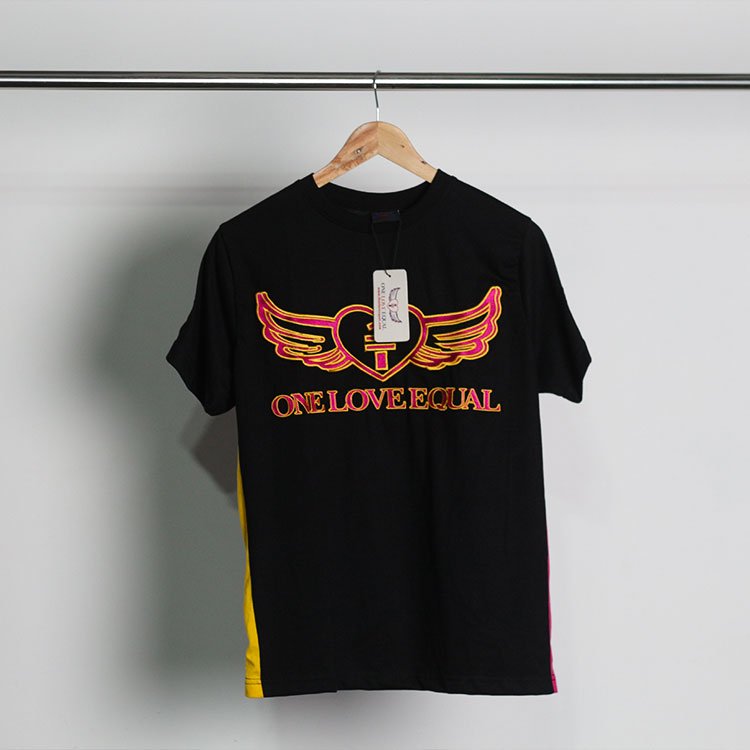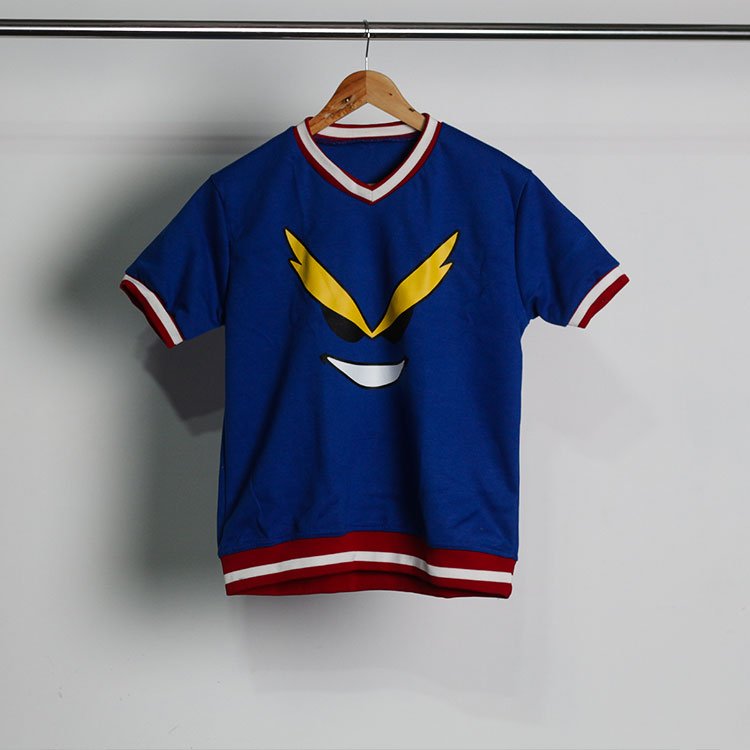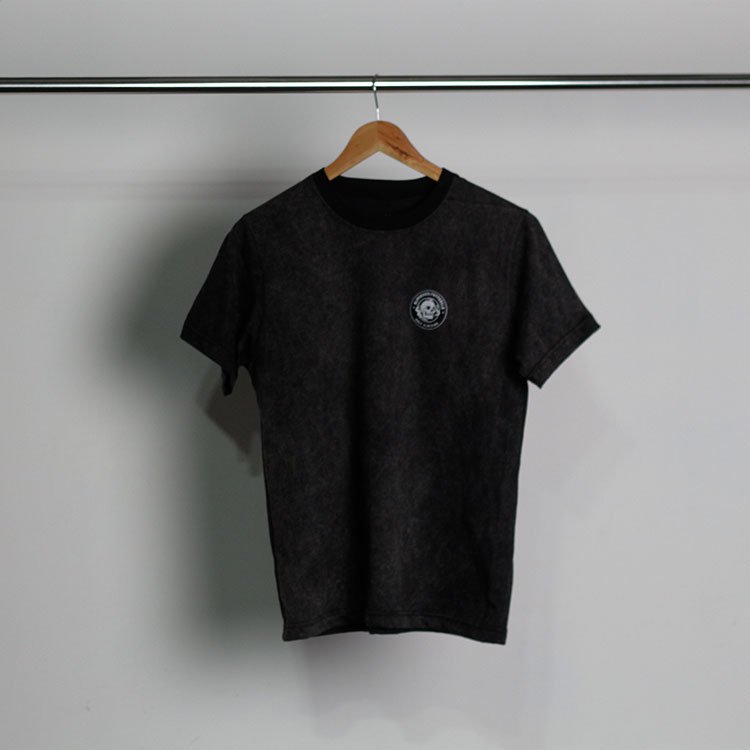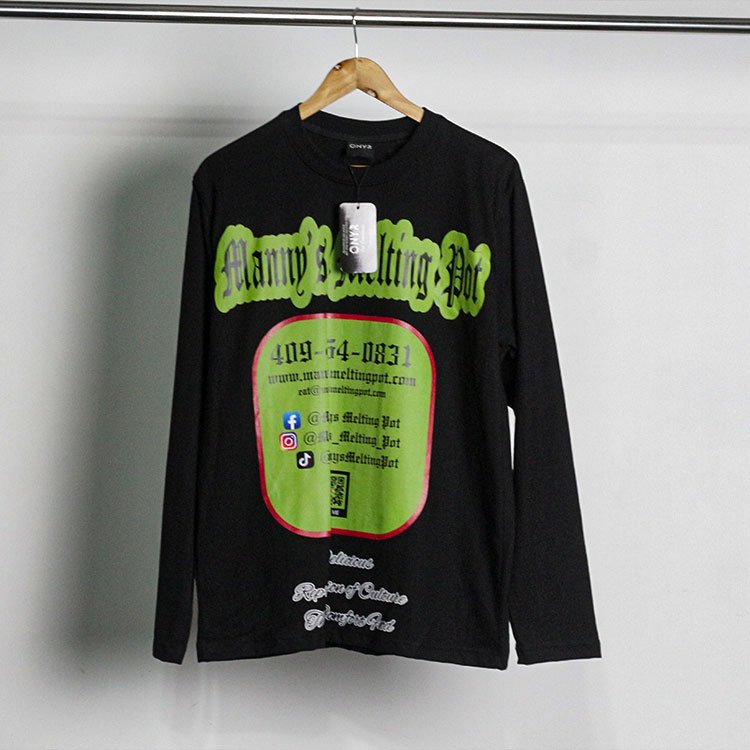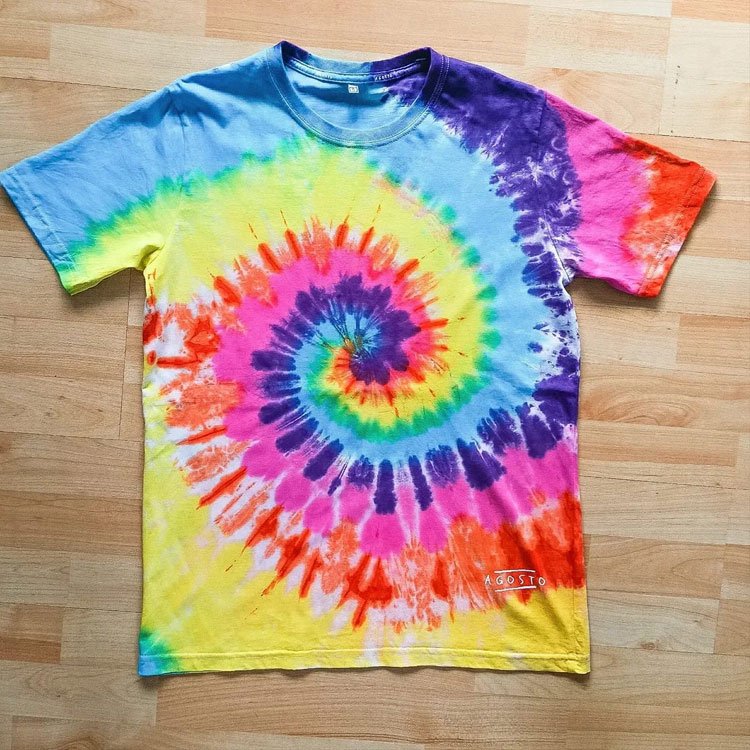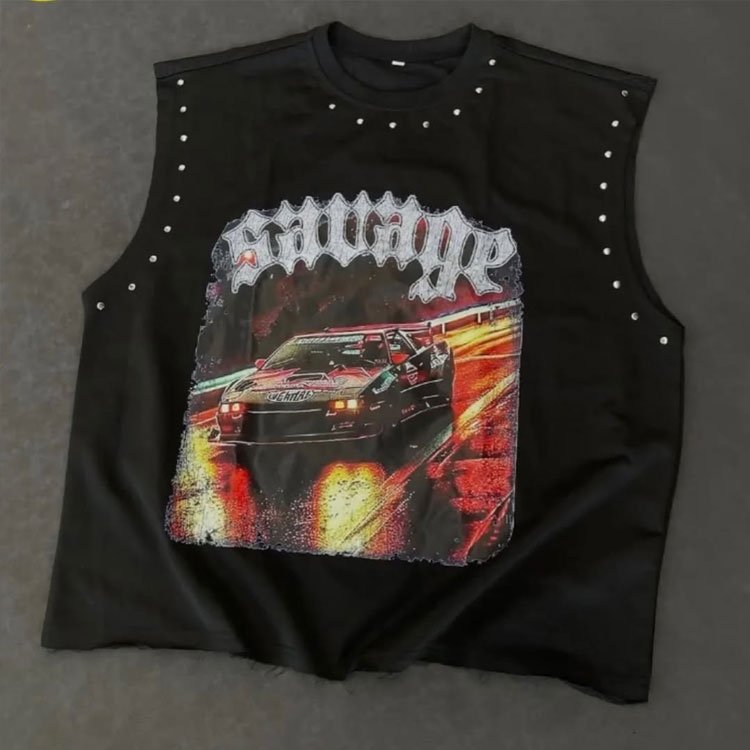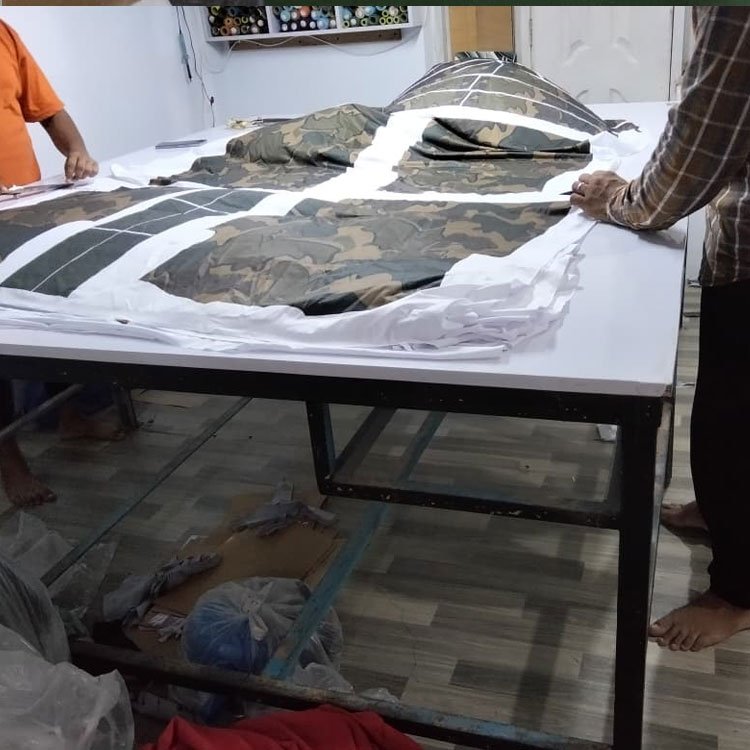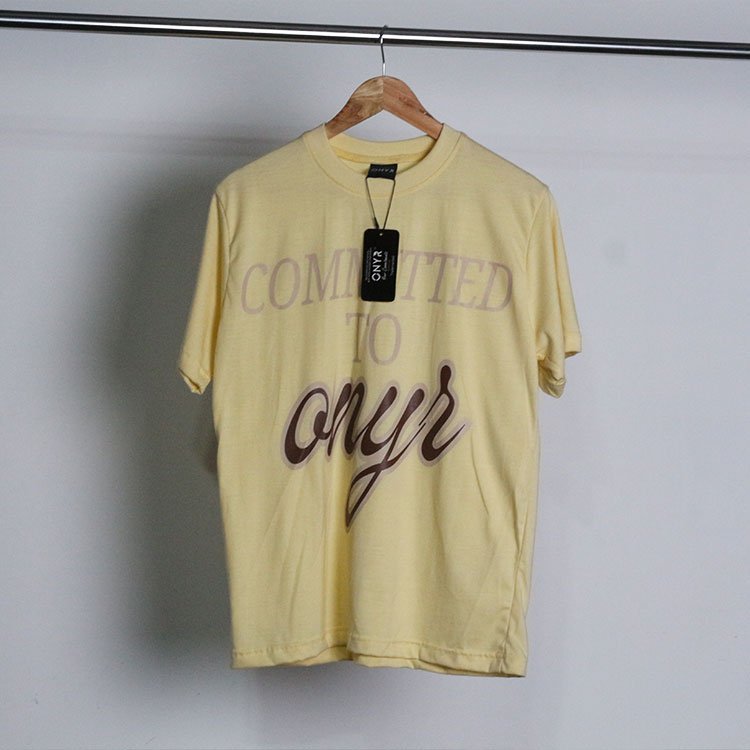
Graphic Tees
Custom Graphic Tee Manufacturer
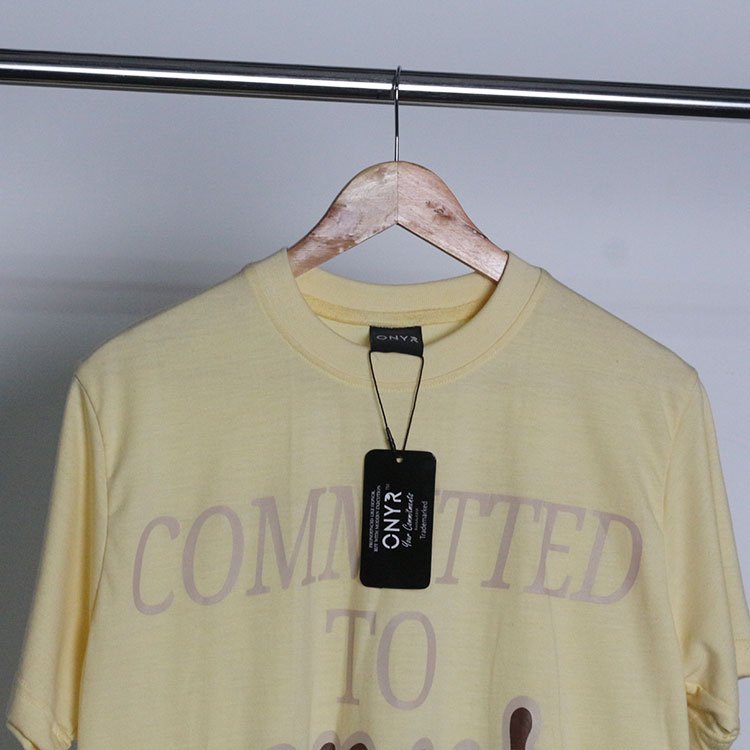
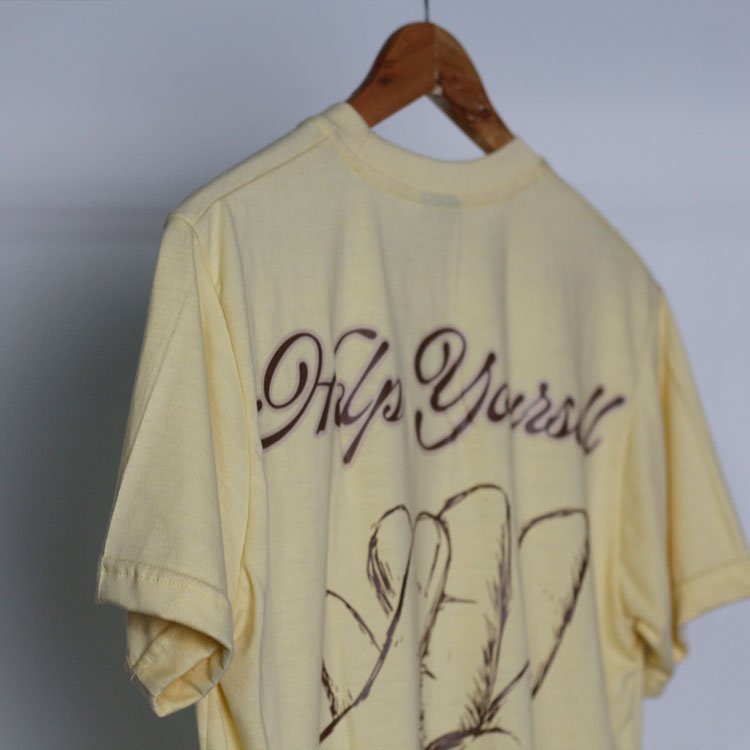
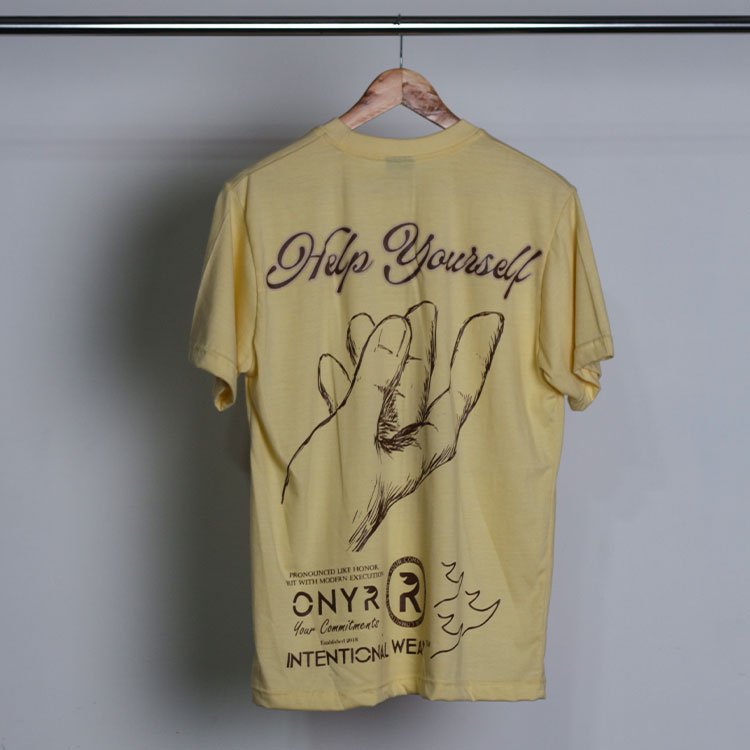
Print-led tees on 240–280gsm cotton, decorated with the method that fits your artwork, from fine-detail DTG to high-opacity screen print. Built for brands ordering at volume.


Print-led tees on 240–280gsm cotton, decorated with the method that fits your artwork, from fine-detail DTG to high-opacity screen print. Built for brands ordering at volume.
Most graphic tee problems trace back to one mistake: a brand picks a print method before the factory has seen the art. This brief runs the other way. Send the file, and the method gets recommended to the file with the alternatives quoted so the trade-off is visible, not hidden.
What follows is the whole decision, written from our own print floor: which method holds your detail, what it costs at volume, how opacity is protected on dark fabric, and what your artwork needs to survive a wash test. No jargon for its own sake, and nothing you can’t hold us to on a strike-off.
It covers the build sheet, six decoration methods, fabric and branding options, volume pricing, sampling, QC and compliance, and the questions buyers actually ask us before they commit a purchase order.
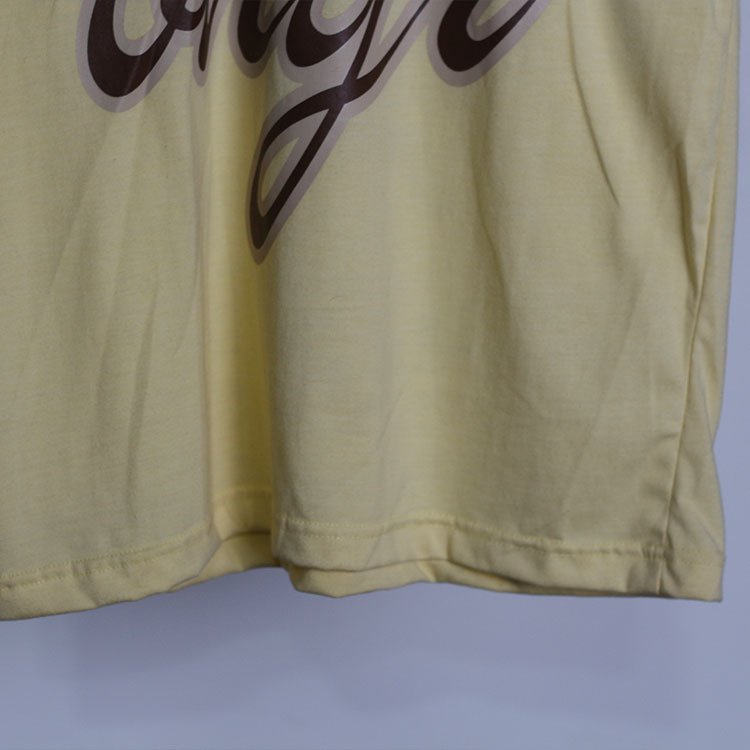
A graphic tee is only as good as the blank it prints on. Thin, open-knit fabric shows print texture and warps placements; a combed, tightly-knit body holds the art flat and square.
Six methods, each with a job it does better than the others. Send your file and we recommend one and quote the runner-up so the math is on the table.
High opacity and the lowest unit cost at volume are the default for bold graphics. Underbase-printed on dark fabrics so colors stay loud.
Photo-quality detail and unlimited color, no screens the right call for gradients, photography, and small runs per design.
Vivid color on any fabric and placement with low setup ideal for multi-placement designs and mixed fabric bases.
Ink that removes the garment dye and redeposits color in a soft-hand, no-feel print with a vintage read.
Raised texture and metallic shine for statement graphics: the tactile finishes that photograph like premium.
Breathable, soft-hand eco-inks that sink into the fabric are the choice for sustainability-positioned brands.
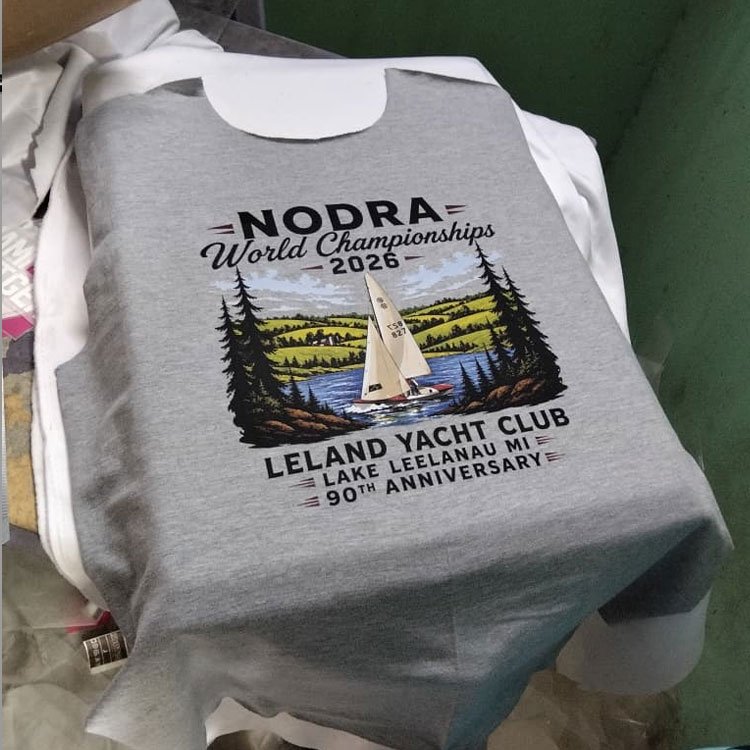
Two things decide whether a graphic tee reads premium, and neither shows on a spec sheet. The first is registration: on multicolor art, each screen has to land inside a fraction of a millimeter of the last, or the outline ghosts. We check registration on the strike-off, not on the bulk.
The second is opacity on dark fabric. A bright print on black is only as good as its white underbase; too thin and the color muddies; too heavy and the hand goes plastic. That balance is set by hand on your actual base color, then locked so every piece in the run matches the one you approved.
This is the part competitors reprint from a supplier PDF. We write it because we watch it happen on the carousel every day, and it’s the reason your reorder looks like your first order.
We flag fine-line detail, undersized text, and color risks before anything is output; fixes are cheap here and expensive later.
Your art is printed on your actual base fabric and color, so hand-feel and opacity are approved on the real thing.
Print, placement, labels, and packaging are signed off together before bulk cutting starts.
Unit price steps down as quantity rises same fabric, same QC, better economics. Split runs and reorders keep your earned tier.
| Quantity / style | Indicative unit price |
|---|---|
| 100–198 | Base |
| 200–598 | −1% |
| 600–998 | −2% |
| 1,000–1,998 | −3% |
| 2,000+ | −4% |
| Size | Chest | Length | Sleeve |
|---|---|---|---|
| S | 50 | 70 | 20 |
| M | 53 | 72 | 21 |
| L | 56 | 74 | 22 |
| XL | 59 | 76 | 23 |
Fully customizable to your tech pack.
A streetwear label came in with a detailed 3-color front on a black 250 gsm base and a hard delivery date. The risk was the thinnest outline in the art dropping out on the underbase.
We caught it at artwork review, thickened the trap by a hair, and proved opacity on the strike-off before a single bulk tee was cut. The screens carried straight into a reorder, no re-setup, same match.
Units, first run
Colors
QC rejects on print
Screen print setup costs amortize fast, so above roughly 100 pieces per design it beats DTG/DTF on unit price. Below that, DTF usually wins. We quote both so the math is visible.
Oversized front placements are standard. True over-seam printing needs panel printing before sewing is is possible, quoted as cut-and-sew decoration. We’ll tell you what your artwork needs.
Yes, one style’s MOQ can be split across colorways. 50 shirts minimum per colorway split]] Print screens carry across, so only fabric changes.
Vector (AI/EPS/PDF) for screen and puff; 300 dpi PNG at print size works for DTG/DTF. We proof every design on a pre-production strike-off before bulk production.
Screen prints get a white underbase; DTG runs a white ink base layer. Both are checked on your strike-off approved opacity is what ships.
DTG and DTF hold the finest detail; screen print resolves down to ~0.5 mm line weight. We flag risky details in artwork review instead of letting them fail on fabric.